Stop Fighting Your Oven: How Instant Heat Changes the Bake
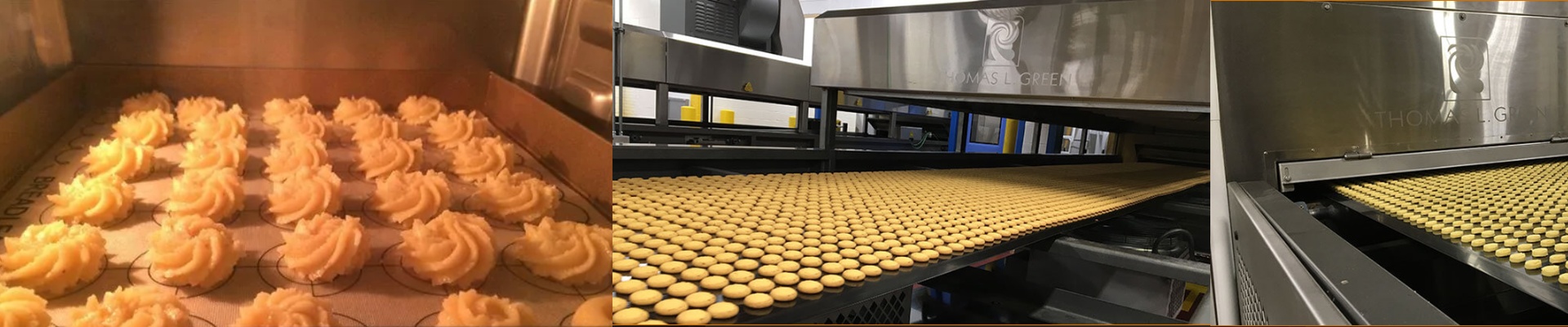
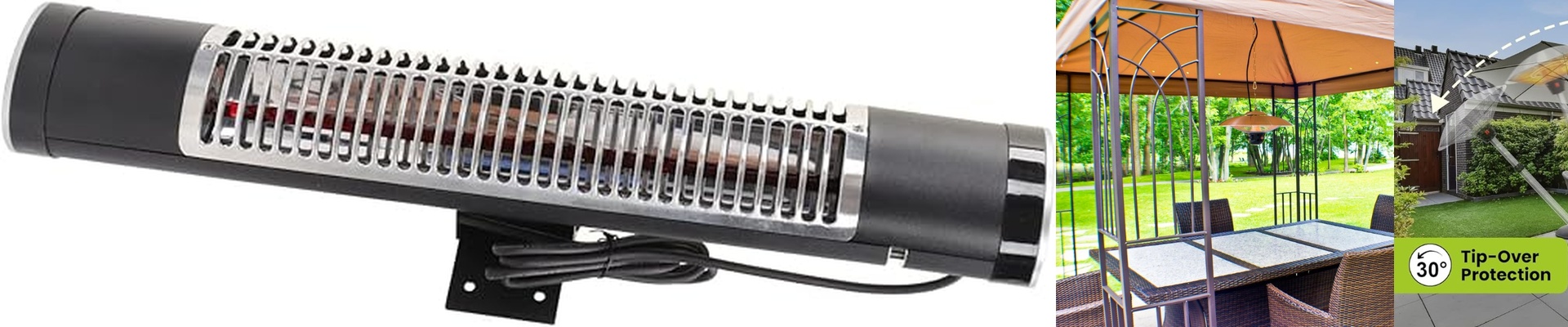
If you’ve ever tried a high-stakes bake, you know the frustration. You set the temperature, but the oven doesn’t just stay there. It drifts. It lags. By the time the air actually hits the temperature you wanted, you’ve probably already overshot it, or worse, the inside of your pastry is still raw while the outside is scorched. The problem is thermal inertia. Traditional heating coils are like old freight trains—they take forever to get up to speed and even longer to slow down. That’s why we switched to infrared (IR) heaters.
The “Light Switch” Effect
Think of standard coils as a slow burn. IR is different. Because it uses radiation, the heat doesn’t have to wait for the air to warm up; it hits the food instantly. It’s almost like a light switch. When you flip the power on, you get heat. When you flip it off, the heat stops in seconds. This lets us do something called “step-temperature control.” Instead of a slow curve, we can jump the heat up or down in an instant. It means you can snap the crust into place perfectly without accidentally cooking the center into a brick.
The Nitty-Gritty (And Where People Mess Up)
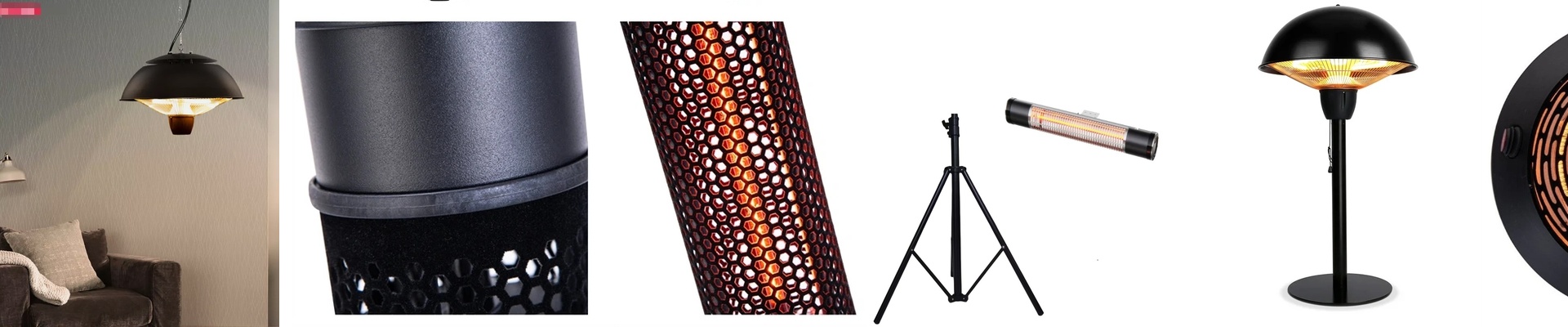
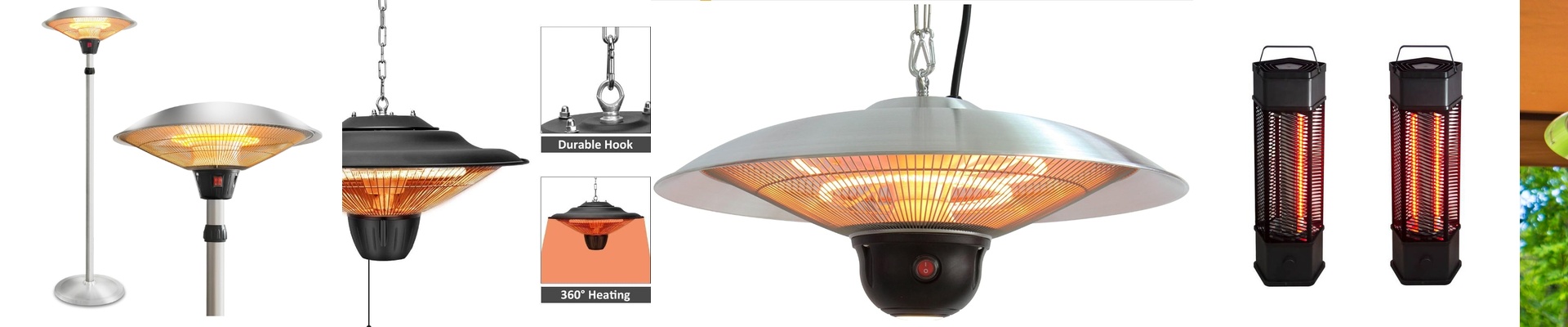
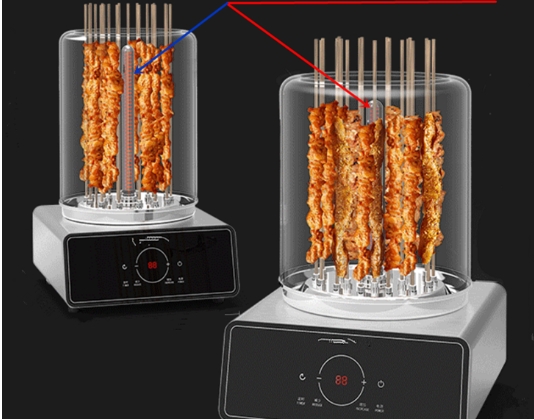
Now, you can’t just throw these into any old oven and call it a day. To make this work, we use low-mass quartz tubes and a high-frequency controller (think PID with an SSR). Basically, the system is flicking the heat on and off incredibly fast to maintain a precise line. But here is the catch: you can’t use a basic timer. You’ll burn out the contacts in no time. And you have to watch your airflow. IR heat is intense. If your fans aren’t moving the air fast enough, you’ll end up with “hot spots”—those annoying charred patches on your food while the rest of the tray is barely warm.
Making it Work in the Real World
We’ve designed these to slide right into traditional convection setups. You get the best of both worlds: the steady, wrap-around heat of forced air and the “surgical” precision of IR. One last tip if you’re setting this up: keep your sensors close. If your thermocouple is sitting way back in the corner, it won’t realize the temperature has changed until it’s too late. That lag kills the whole point of having a fast heater. Keep the sensor near the product, and the whole thing just clicks.