
Energy-Efficient Shortwave Infrared Heaters: Warming the Right Spot, Not the Whole Building
Here’s the thing about heating a big industrial space. Sometimes, you don’t need to warm the whole building. You just need to get heat where it matters—right on a workstation, on a specific machine, or on the person who’s working there. That’s exactly why we built these shortwave infrared heaters. They cut straight to the chase, delivering intense, focused warmth directly to a target. No more wasting energy heating empty air that just rises and disappears.
What Makes Them Tick: Power, Voltage, and Size
Let’s get into the guts of it. The power and voltage ratings tell you what this thing can do. The standard 400V setup is a smart move for industrial settings—it lets you run a high-wattage heater without tripping breakers or needing a whole new electrical system. It just works with what you already have. And the size? The 300mm length is deliberately compact. It’s designed to slip into tight spots, mounting close to where you need the heat. You get a surprising amount of heat packed into a small footprint.
The Details That Matter: The Tube and the Connection
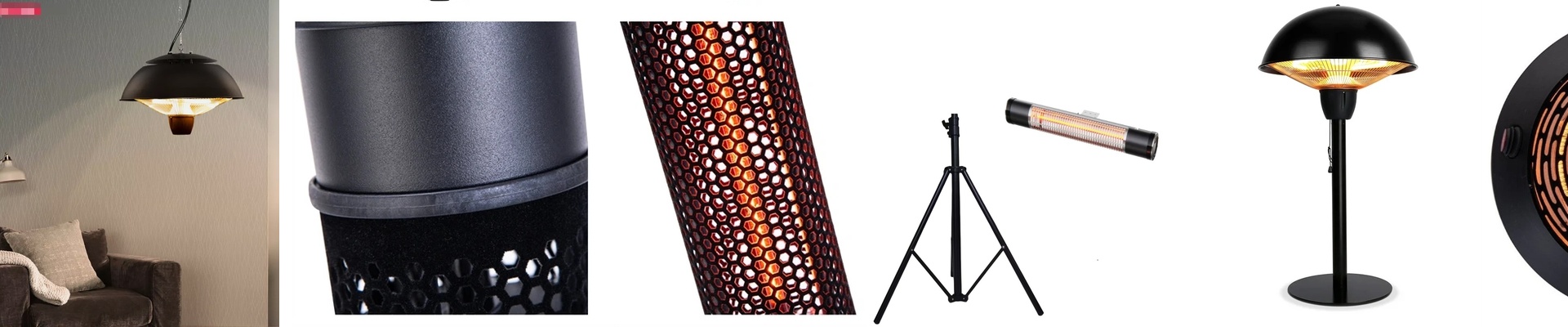
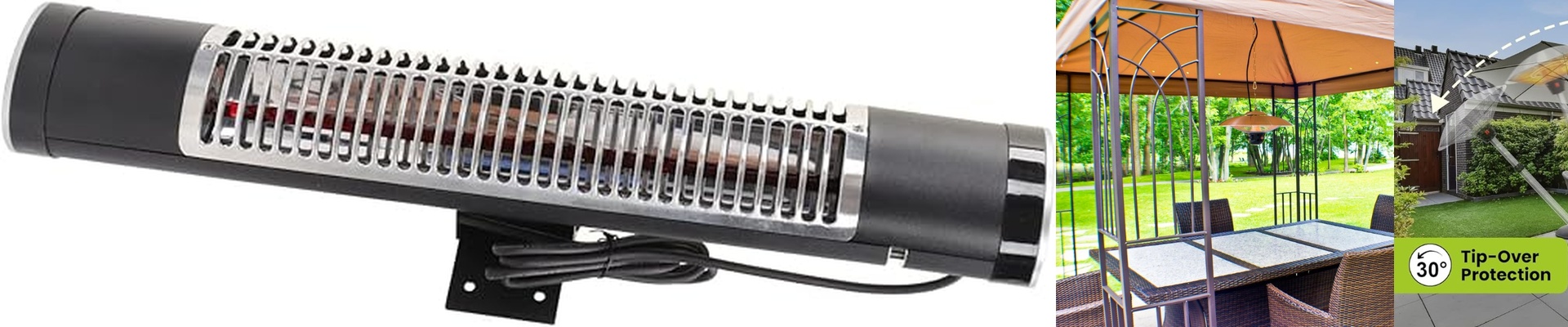
The heart of the heater is the quartz tube, filled with a halogen filament. It’s tough, built to handle high heat and the constant shock of being switched on and off. It just keeps putting out consistent heat, shift after shift. Then there’s the R7s connector. It’s a small detail, but it makes a huge difference on the plant floor. It’s a solid, double-ended connection that’s easy to wire up and holds tight, even with all the vibration from machinery. That means quicker installation and fewer maintenance calls.
Where They Shine: The Real-World Benefits
These heaters are perfect for spot heating. They’re the go-to for warming a cold workstation or pre-heating a mold before a production run. The efficiency is real because the heat goes straight to the target. You’re not paying to warm the air that’s just going to vanish. But, and this is important, that concentrated heat comes with a trade-off. The heater itself runs hot, and the area around it will warm up. You need to make sure any nearby electronics or machinery have proper cooling. Plan your airflow and mounting distance, or you’ll risk shortening the life of sensitive equipment.
The Power and Voltage, in Plain English
The 400V rating is standard for three-phase industrial power. It means the heater can draw the power it needs to generate serious heat without overloading your system. It integrates cleanly into your existing electrical setup, no fuss, no drama. Wattage directly translates to heat output. A 2500W unit puts out a lot more radiant energy than a 1500W one. You just size the unit based on the area you need to heat and how quickly you need it to warm up. The compact 300mm length is all about flexibility. It fits into smaller housings, so you can aim the heat with precision, without the bulk.
The Smart Engineering Behind the Design
The quartz tube has to be tough. It withstands extreme temperatures and constant on-off cycles. We use high-purity quartz that resists breaking down, and the halogen cycle keeps the filament clean. This means the heat output stays strong for thousands of hours. The coating on the tube isn’t just for protection; it helps focus the energy as infrared heat, not wasted visible light. The R7s connector is another practical choice. It gives a rock-solid connection at both ends of the tube, handling the expansion and contraction as it heats up. And when a tube finally burns out, you can swap it in a matter of minutes. No disassembling complicated wiring. Less downtime on the line.
The Trade-offs and How to Make Them Work for You
These heaters are brilliant when you need focused, direct heat. They’re ideal for keeping an operator warm on a chilly plant floor or pre-heating a part before it goes into a machine. The shortwave infrared penetrates surfaces fast, delivering the heat right where you need it. It’s way more efficient than trying to warm the entire room. But, you have to plan for the heat. The heater runs hot, and the surrounding area will feel it. Your cooling systems for nearby machinery need to be up to the task. If the ambient temperature around sensitive controls gets too high, you’re looking at premature failure. So, think about your airflow and how far away you mount things.
Built for the Real World
We designed these units to be simple drop-in replacements. The standard dimensions and R7s connector mean they fit right into existing fixtures. You get the benefits of modern efficiency without having to redesign your whole heating system. Just wire it up, set the thermostat, and you’re good to go. The energy savings come from one simple fact: you’re heating the target, not the empty air. That makes these heaters a practical choice for any facility looking to cut costs without compromising on comfort or performance. The shortwave infrared spectrum is key. It works like sunlight, heating objects directly. A cold metal part under the heater warms up fast, even if the air around it is still chilly. For industrial processes, that direct transfer is often the difference between a smooth operation and a stalled one. Out in the field, this means lower operating costs and faster warm-up times. The heater hits full power almost instantly. No long pre-heat cycle. When work starts, the heat starts. When work ends, the heat ends. That on-demand performance is a huge advantage over big, clunky boiler systems. These heaters are built to take a beating. The quartz tube handles thermal shock, and the R7s connector stays tight. They’re reliable in harsh conditions, from dusty machine shops to humid plants. The design is simple, tough, and proven in the real world.