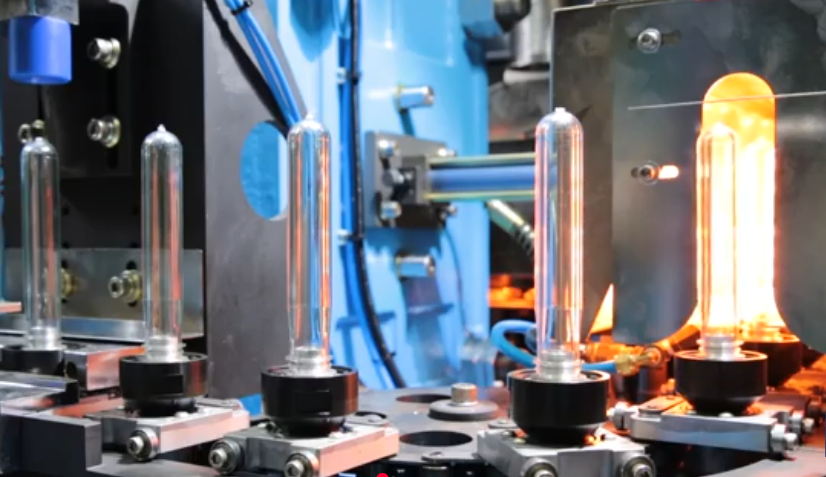
On a blow molding line, the heating tunnel is where the pressure really shows. Preforms that come up short on temperature force you to back off the speed, chase weight, and watch rejects climb. Lamps that underperform drag the cycle out, and when output isn’t stable, every shift feels like a roll of the dice.
What matters under the hood
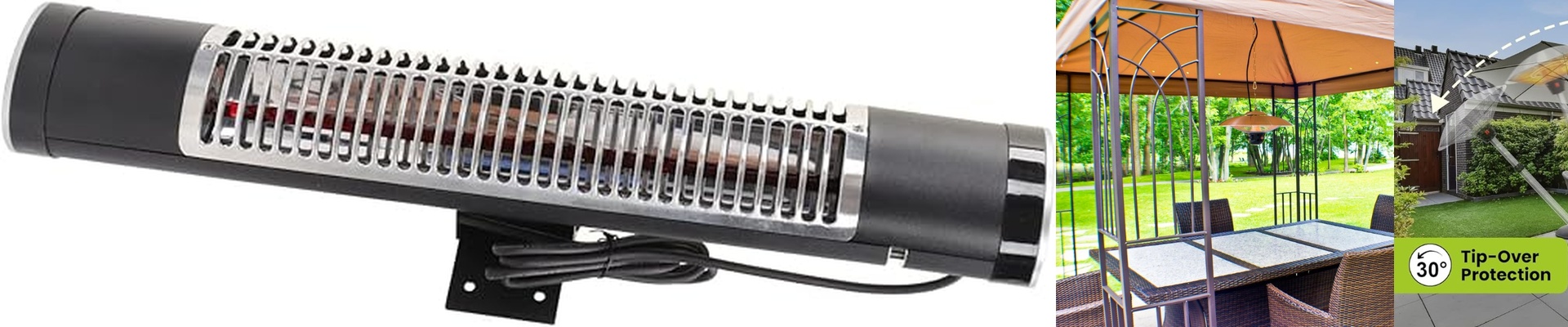
We built the Ruby infrared heating lamp as a 2000W short-wave emitter, because PET preform heating needs fast, repeatable heat. The quartz envelope gives you quick response and steady radiant output, and the R7s connector drops right into the standard mounts you see in most heating tunnels. It delivers a focused spectrum that heats preforms fast without cooking the surroundings. In real terms, that means the temperature recovers faster after any interruption, and the heat profile across the tunnel stays under control.
Why it fits the process
Stretch blow molding doesn’t give you much room. The heating window is tight, and the tolerance is even tighter. This lamp hits the power density needed to reach target temperature with less dwell time, so you can run faster without losing bottle quality. Energy stays reasonable because the heat goes where it needs to go, and stable output helps reduce drift in neck crystallinity and wall thickness. For you, that shows up as fewer speed cuts, fewer rejects, and a line that behaves more predictably.
The practical details
Installation is straightforward, but make no mistake — this lamp runs hot. Keep the reflector clean and aligned, and make sure your socket and wiring can handle the full 2000W load. It’s designed for the heating sections on common blow molding machines, but tunnel length and reflector geometry still vary by model. If your line sits in long cycles or high ambient temperatures, give the lamp a bit of extra airflow. Treat the quartz like a precision element, not just another consumable.