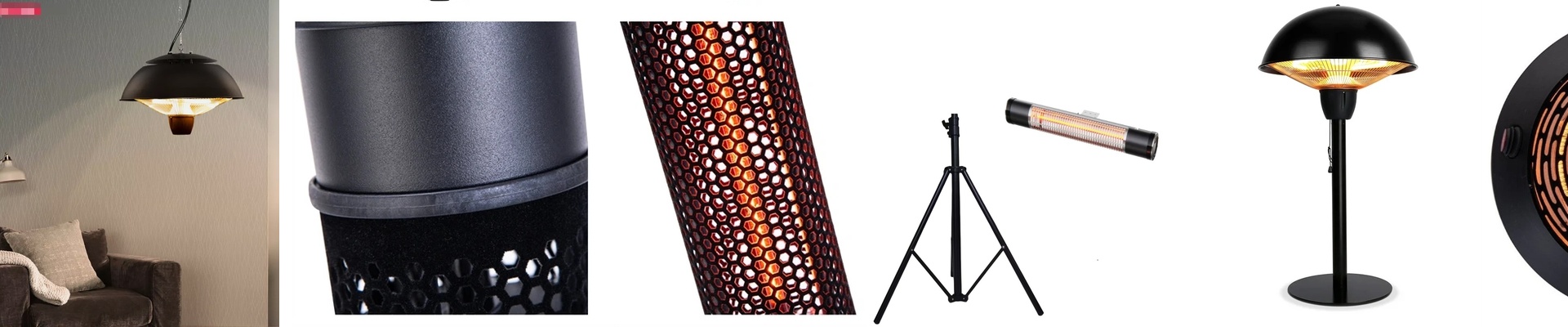
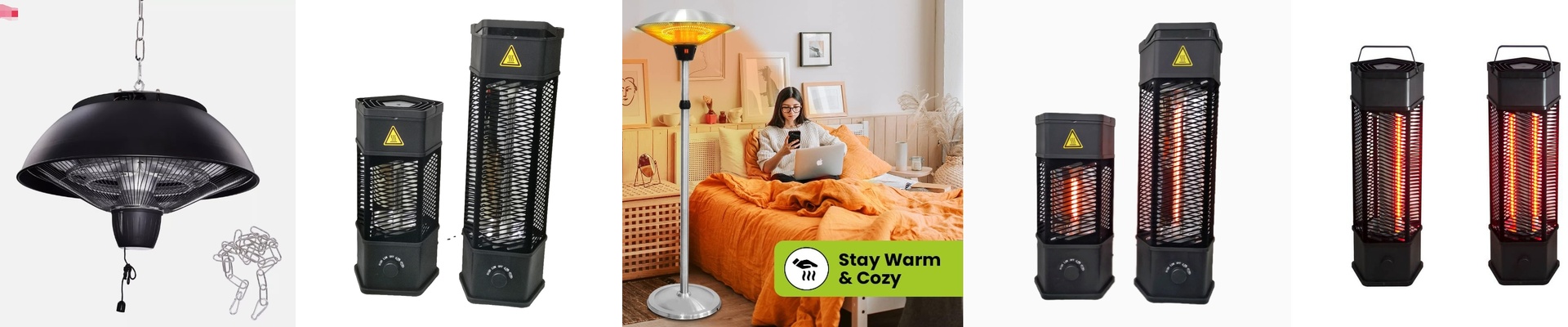
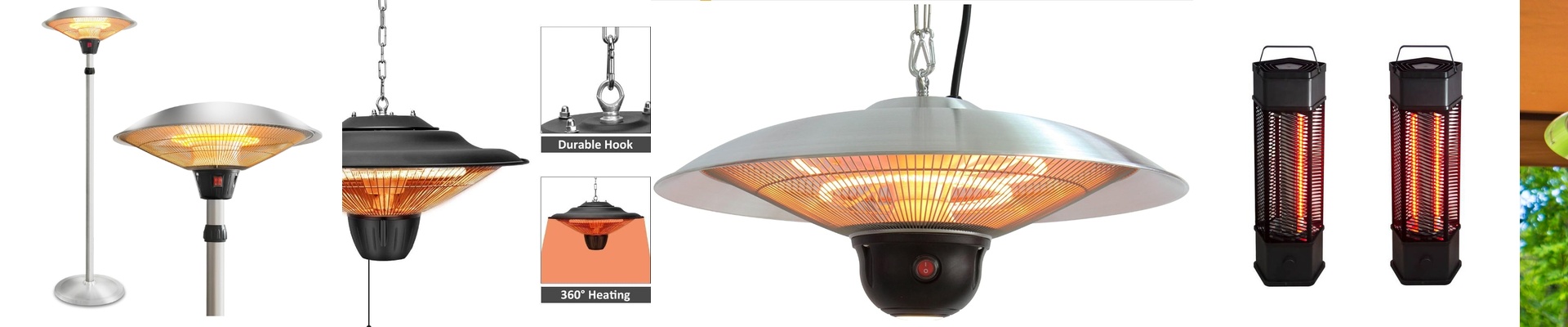
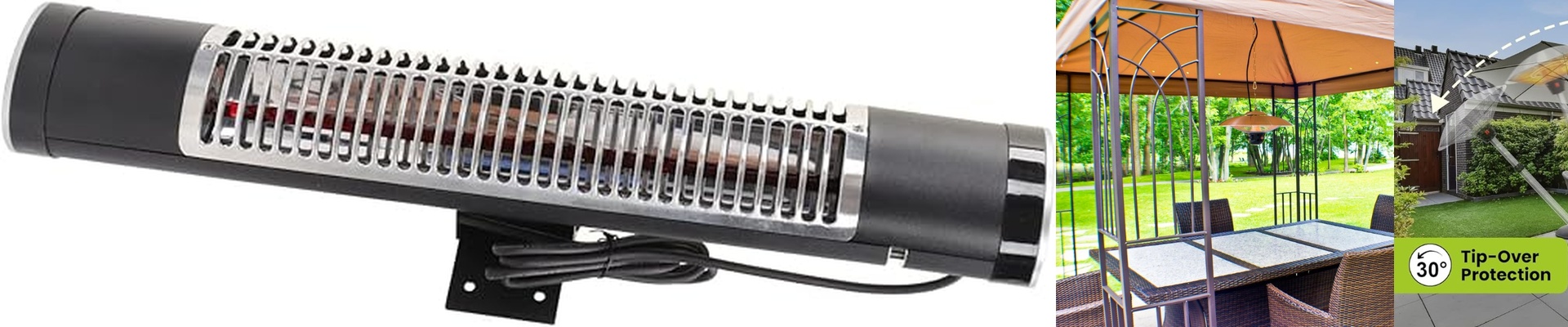

Meet the Desktop Heater That Actually Gets the Job Done
We built this desktop heater for engineers who are tired of wrestling with bulky, overkill systems just to get some focused heat. You know the drill. You need precision, not a furnace. So we packed a serious punch into a compact frame. It’s a 2500W halogen heating lamp, built to run on 400V industrial power. The whole point? To slide right into your existing setup and deliver steady, repeatable heat in a seriously small footprint.
Power, Voltage, and Size—Straight to the Point
Here’s the thing about this heater: it’s all about the heat density. With 2500W at 400V, you get a lot of power packed into a tight space. Perfect when your machine is squeezed for room. The 300mm tube length focuses that heat like a laser. You’re not warming the whole room—you’re hitting one specific spot, right where you need it. Just a heads-up, though. This kind of power draws a strong initial surge. So you’ll want to make sure your power supply is solid and your wiring is properly fused. And double-check that your socket and leads are rated for the high heat, because this thing runs hot and for long stretches.
What’s Inside: Halogen, Coating, and a Smart Connection
Inside, we use a halogen element housed in a quartz envelope. This combo keeps the filament running hot and steady, so the output stays consistent over time. No surprises, no dips. We also added a special coating on the tube. It helps manage the surface temperature and stops those nasty hot spots that can kill a lamp’s lifespan. And the connector? It’s an R7s industrial interface. It’s been around, it’s proven, and it makes installation a breeze. It handles both the electrical connection and the physical support, so you can wire it up and get back to work—no fuss.
Where It Shines (And What to Watch For)
This heater really shines on desktop equipment where you need heat fast and you need it to be reliable. Think small forming stations, lab test setups—anywhere that speed and temperature control matter. Thanks to its shortwave response, it heats up almost instantly. That means shorter cycles and a smoother workflow. But, and this is important, that kind of concentrated heat needs space. Make sure you give it proper clearance and cooling. Otherwise, the components nearby can feel the burn—literally.