Getting the Heat Right in Your Sidel Matrix Oven
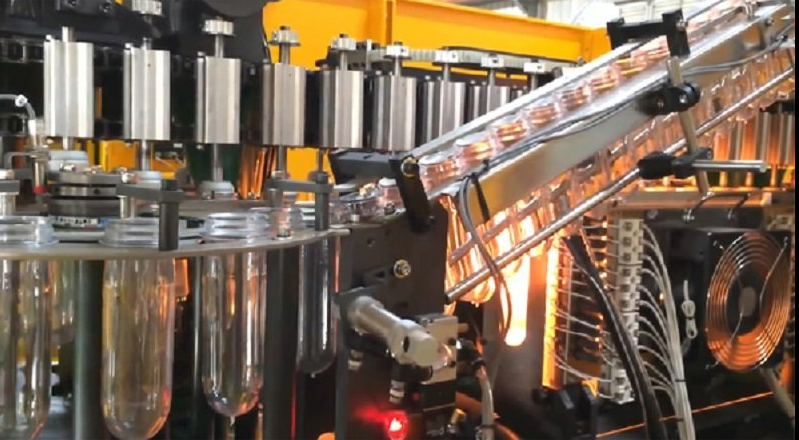
Here is the problem with swapping out lamps in a Sidel Matrix oven: if the temperature profile shifts even a little, you’re in trouble. When the infrared emission doesn’t line up with the original specs, your preforms heat unevenly. That’s how you end up with pearlescence or weird wall-thickness issues in your bottles. It’s a headache nobody wants. That’s exactly why we built the SBO 2002406262 replacement. We wanted to kill that “drift” entirely. No guessing games. We don’t just “approximate” wattage or voltage. We match the electrical load and the physical footprint exactly. Why? Because it keeps your temperature rise curve identical to the original. Your power supply won’t see a random spike or drop when you wire these in. Since the resistance and voltage drop are mirrors of the OEM part, the heat density stays constant. It’s a true drop-in. You just plug them in and go—no need to spend hours messing with the PLC settings to recalibrate the oven. The science bit (made simple) We use high-purity quartz glass because these things take a beating with rapid thermal cycling. We also use an internal halogen cycle to keep the filament centered. This stops the “sag” that usually kills a lamp prematurely. Depending on your setup, we add specific coatings to push the emission toward short-wave IR. This is the secret sauce. Short-wave energy punches through the PET preform much faster. Instead of wasting energy heating up the air around the plastic, it hits the target directly. A quick reality check Now, here is something to keep in mind. High-wattage IR lamps put a lot of stress on your reflectors. Our lamps match the OEM output perfectly, but if your reflectors are pitted or oxidized, you’re fighting a losing battle. You’ll find yourself pushing more power into the lamp just to make up for the poor reflection, and that’s a fast track to burning out your tubes. Keep those reflectors clean. It’s the only way to actually get the full lifespan out of the quartz.