Stop Fighting Your SIPA Blomax Oven
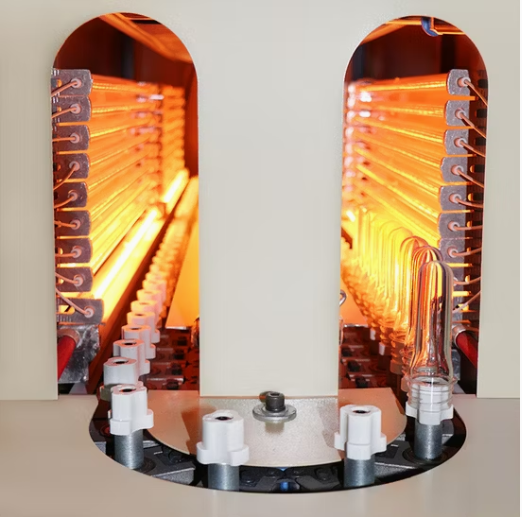
Ever notice how a few “off” bottles start creeping into your batch? You check the preforms, but the wall thickness is all over the place. Usually, it comes down to one thing: your heat isn’t steady. When you swap out old lamps, it’s tempting to just grab any generic replacement that looks right. But here’s the problem. Even a tiny 5% difference in wattage can create “cold spots” in your oven bank. It sounds small, but it ruins the stretch process and sends your scrap rate climbing. Getting the power right We make our replacement lamps to hit the original OEM specs on the dot. If your machine calls for a specific voltage and wattage, that’s exactly what you get. Why does that matter? Because when the power doesn’t match, your oven controllers have to work overtime to make up the difference. That puts a lot of stress on your thyristors, wearing them out way faster than they should. We keep the tolerances tight so the heat stays even across the whole zone. No guessing, no hotspots. The build quality We use high-purity quartz glass because the inside of a blowing oven is a brutal environment. To keep the tubes from turning black, we use a halogen-cycled tungsten filament. As for the fit, we stick to standard R7s or Sk15 connectors depending on which Blomax series you’re running. You can just plug them in and go. No modifying sockets, no awkward fits, and definitely no worrying about arc faults. A quick heads-up on cooling High-wattage shortwave lamps are great because they penetrate PET fast. But all that energy creates a lot of heat. If your cooling blowers are clogged or just tired, that radiant heat can actually bake your oven housing. Before you crank the power up to 100%, just take a second to double-check your airflow. It’ll save you a massive headache later. When your power output is matched, tuning your oven becomes simple. You get a stable thermal profile, way fewer rejected bottles, and a cycle time you can actually rely on.