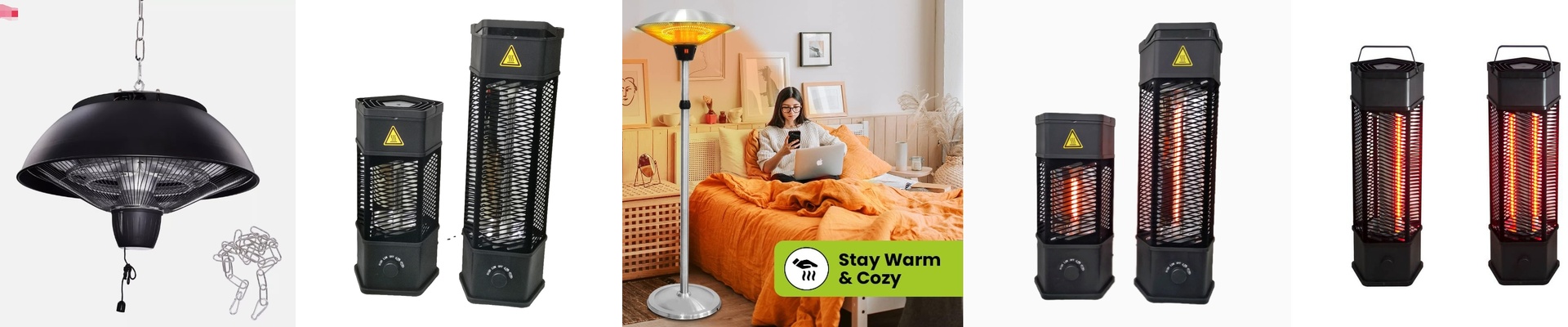

Why Your Bathroom Heater is Actually a Mold-Fighting Tool
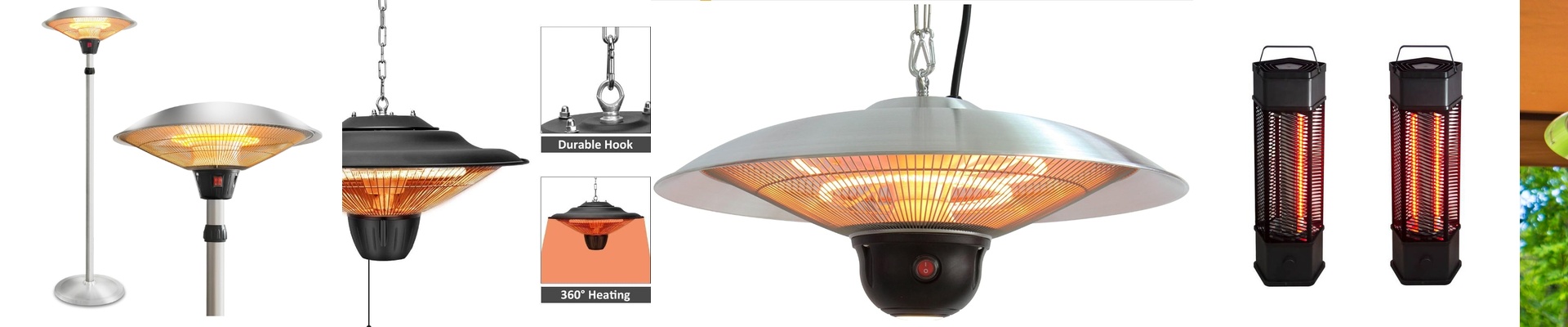
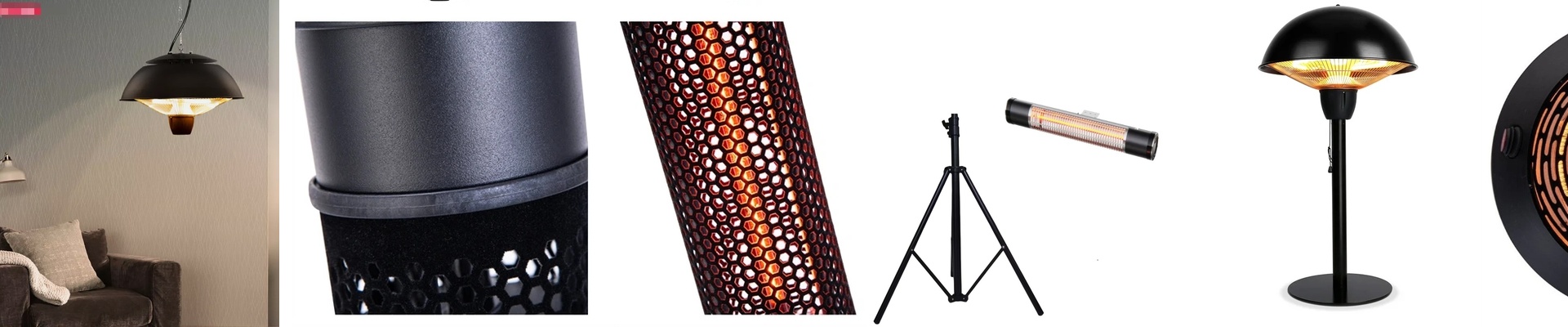
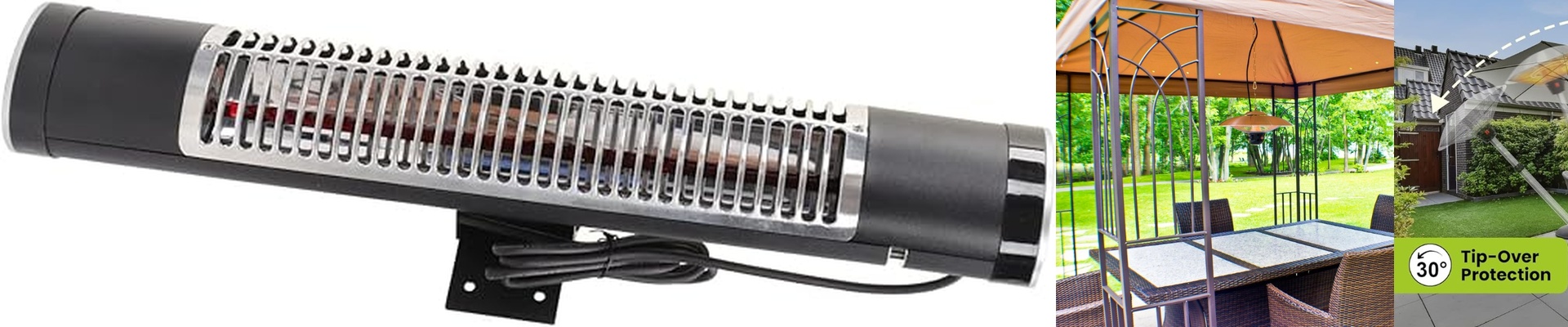
Most of us just think of those bathroom heat lamps as a way to stop shivering while we get dressed. But if you look under the hood, they’re doing something way cooler than just making the air feel cozy. They’re basically a weapon against mold.
The secret to drying out your walls
Here is the thing about mold: it loves a damp, porous surface. If you use a standard heater, you’re just warming up the air. The problem? Your walls stay cold, and that’s exactly how you get condensation. It’s like a magnet for mildew. Infrared lamps work differently. Instead of heating the air, they send out waves of energy that soak right into your tiles and grout. It turns those surfaces warm to the touch. Once the wall is warmer than the air around it, the moisture just vanishes. It evaporates before mold spores even have a chance to move in.It’s simple, and it works.
Dealing with steam and sparks
You’ll see “IP44” on the spec sheet. In plain English, that just means the lamp is built to handle a splash. In a shower, steam gets everywhere. Without the right seals and moisture-resistant wiring, the internals would just fry. We use heavy-duty gaskets to keep the guts of the machine dry, so you don’t have to worry about your ceiling fixture giving up the ghost after a few months of steamy showers. But you have to be smart about the wattage. Sure, more power means faster drying. But if you go overboard without a good vent, you’re basically turning your ceiling into an oven. Balance is key.
The “Cold Spot” Problem
Infrared is fast. Like, instant-heat fast. But there’s a catch: the heat only goes where the lamp is pointing. If you just slap one in the middle of the room, you’ll end up with “cold spots”—those annoying corners where moisture still hangs around. To actually get rid of the mold, you have to think about the layout. Map out where the light hits and make sure those high-risk corners are getting some love.