
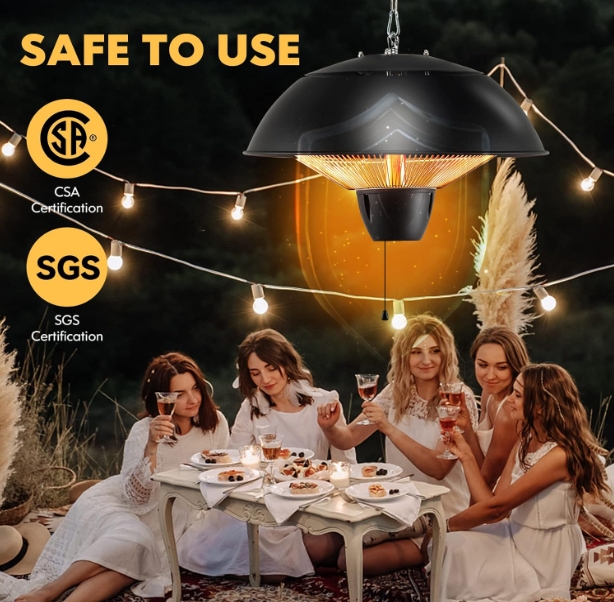
Keeping the Patio Warm Without the Headache
If you’ve ever tried to heat an outdoor space, you know the struggle. You’re fighting a constant battle against wind, rain, and that annoying lag where you’re shivering for ten minutes before the heater actually kicks in. To get this right, we use IP65-rated enclosures. In plain English? It means dust and rain can’t get inside to fry your electronics or rust out the heating elements. It’s peace of mind in a box. Plus, when you hook these up to a smart home setup, you stop messing with manual switches and start letting the house handle the temperature for you.
Heat That Hits Instantly
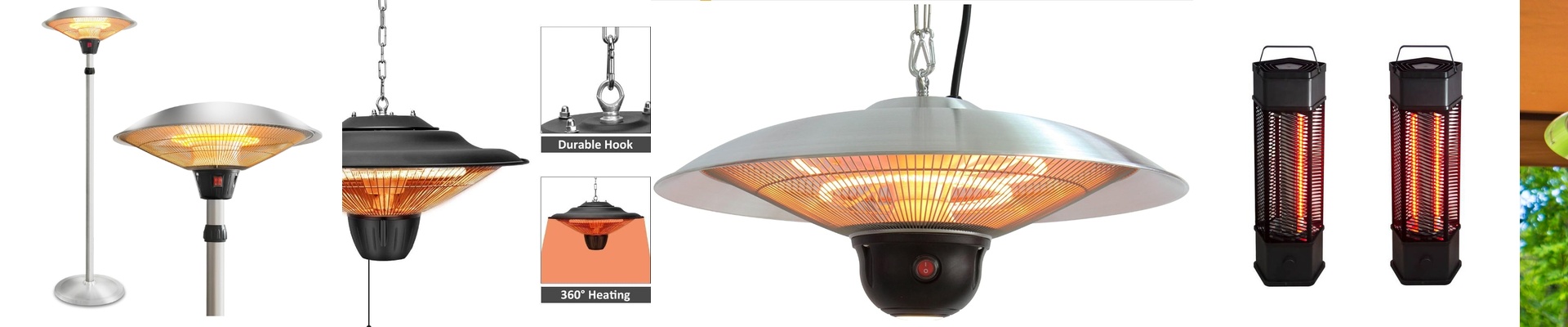
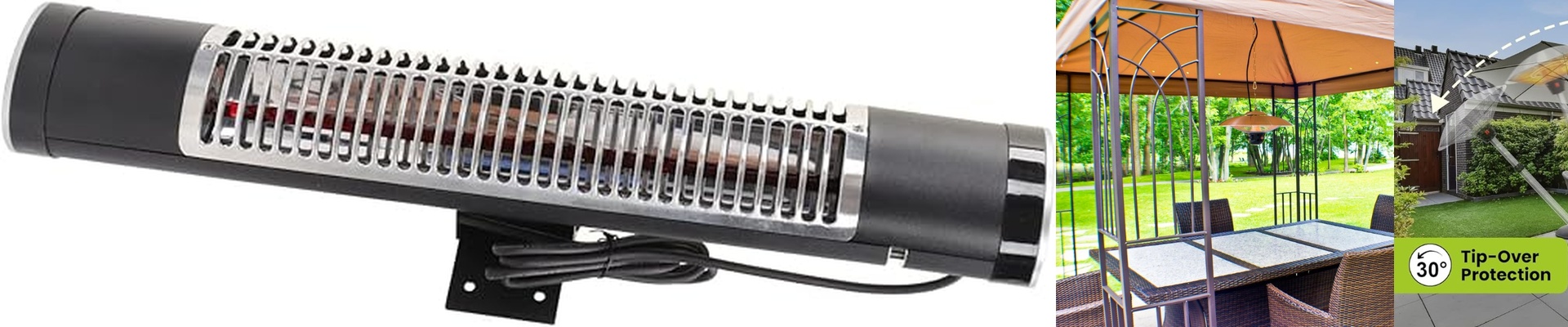
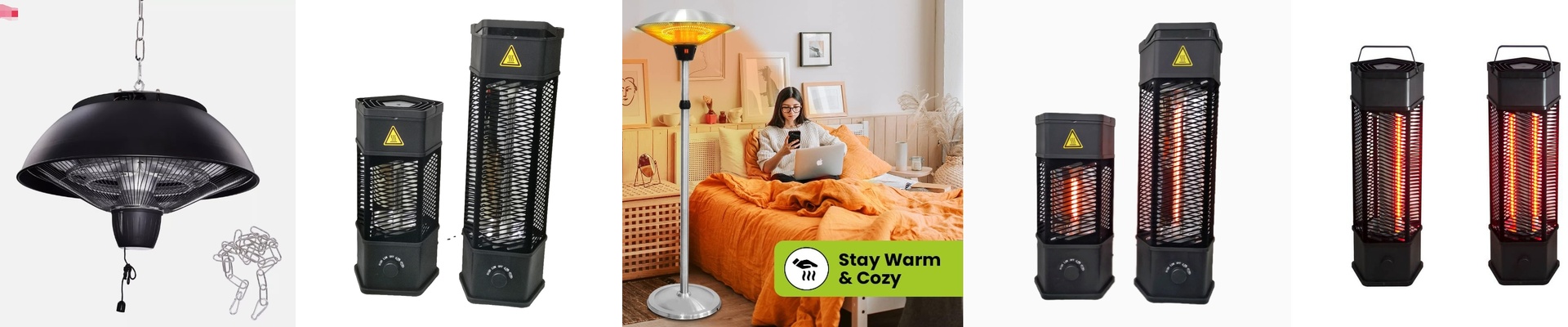
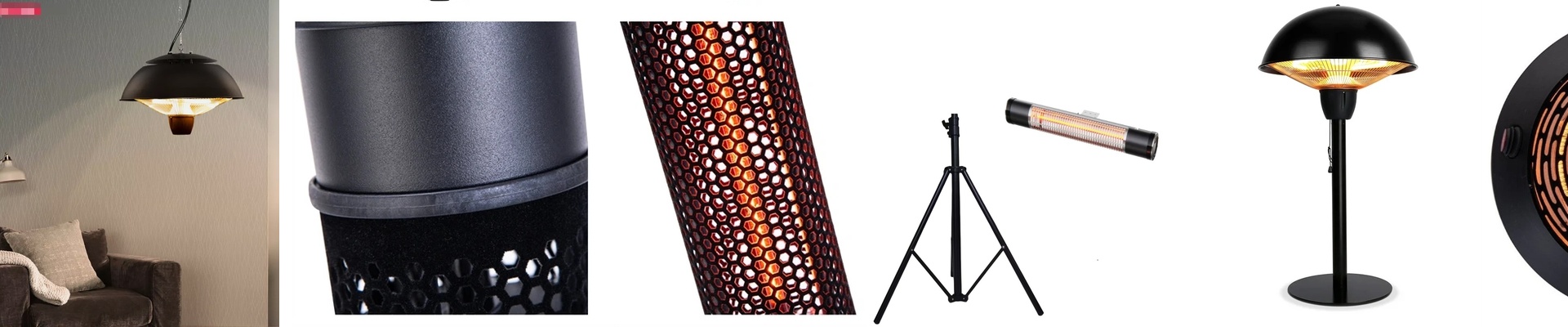
Most heaters try to warm up the air around you. That’s a losing game outdoors because the wind just blows the heat away. Infrared is different. It sends energy straight to you—and your guests. We use short-wave or medium-wave emitters to make it happen. The second you flip the switch, it feels like a burst of spring sunshine. No waiting. No shivering. Just warmth. If you’ve got a smart hub, you can trigger this via Zigbee, Matter, or a simple API. You hit a button on your phone, the filament glows in a fraction of a second, and you’re warm. It’s that simple.
A Quick Warning on the Hardware
Here is where people usually mess up:**don’t just plug a high-wattage heater into a standard smart plug.**You’ll likely melt the plug or blow a fuse. These heaters pull a lot of power. You need a heavy-duty relay or a dedicated smart contactor to handle the load. Think of it as a two-part system: the smart controller does the “thinking,” and the power relay does the heavy lifting.
The Real-World Trade-offs
There is a catch with those IP65 seals. Because they’re so tight to keep water out, they also trap heat inside the casing. If you cram a powerful emitter into a tiny box, you risk overheating the wires. You’ve got to make sure there’s enough room for the heat to escape or mount it somewhere that helps it breathe. And remember, infrared is “line-of-sight.” If a pillar or a big plant is in the way, you won’t feel a thing. One last tip: place your sensors where they can actually feel the chill. If you tuck a sensor behind a wall where the heater can’t reach it, the system will think it’s still freezing and keep blasting heat long after you’ve started sweating.