Getting the Heat Right: The Truth About IR Emitters in Commercial Ovens
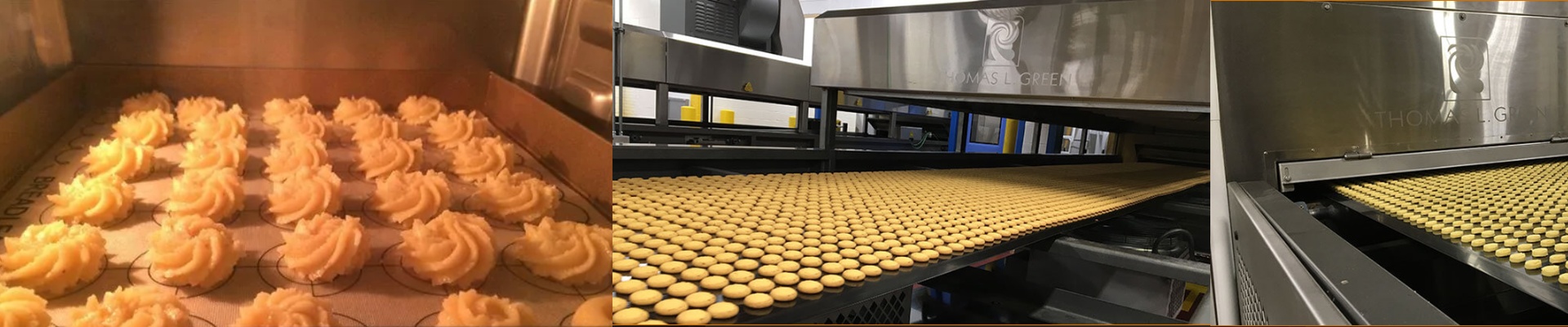
Ever notice how some ovens just get it? You set a temperature, and the food comes out exactly how you imagined—perfectly browned on top, juicy inside, no surprises. That’s not luck. It’s usually thanks to the auxiliary IR emitters working behind the scenes. Basically, these emitters are there to do the heavy lifting when it comes to speed and precision. They bridge that annoying gap between what the dial says and what the food actually feels.
How the Heat Actually Works
Most pro ovens use a mix of convection and IR. Think of the IR emitter as the “turbo boost.” We use short-wave infrared because it doesn’t just sit on the surface; it punches through the food faster. This means you aren’t standing around waiting for the oven to catch up. It just happens. But here’s the catch: for this to work, the emitter has to be steady. If the filament starts acting up because of a voltage swing, your temperature starts drifting. That’s why we keep our wattage tolerances incredibly tight. You get a steady, predictable stream of heat, every single time.
The Gritty Details of Design
It’s not just about the light bulb. It’s about surviving the chaos of a commercial kitchen. Grease, steam, and heat are a nightmare for electronics. We use high-purity quartz glass because it doesn’t cloud over or burn out the moment things get messy. It stays clear, and it keeps working. Then there’s the space issue. A high-density emitter packs a massive amount of energy into a tiny spot. It’s powerful.Really powerful. But if the cooling fans or airflow aren’t up to the task, that heat has nowhere to go. You risk melting your wiring or killing the lamp’s lifespan. It’s a balancing act: you want that concentrated heat for a faster cook, but you have to make sure the housing can take the pressure.
Real World, Not a Lab
We don’t care about “theoretical curves” or what a computer simulation says. That stuff doesn’t cook food. Instead, we use calibrated thermocouples to map out exactly where the heat goes inside the oven. We’ve spent a lot of time comparing our thermal maps to the biggest names in the industry to hunt down every single cold spot. The result? A uniform field of heat. No matter where you put the tray, it performs like the top-tier gear you’d find in the best kitchens worldwide.