
Introduction
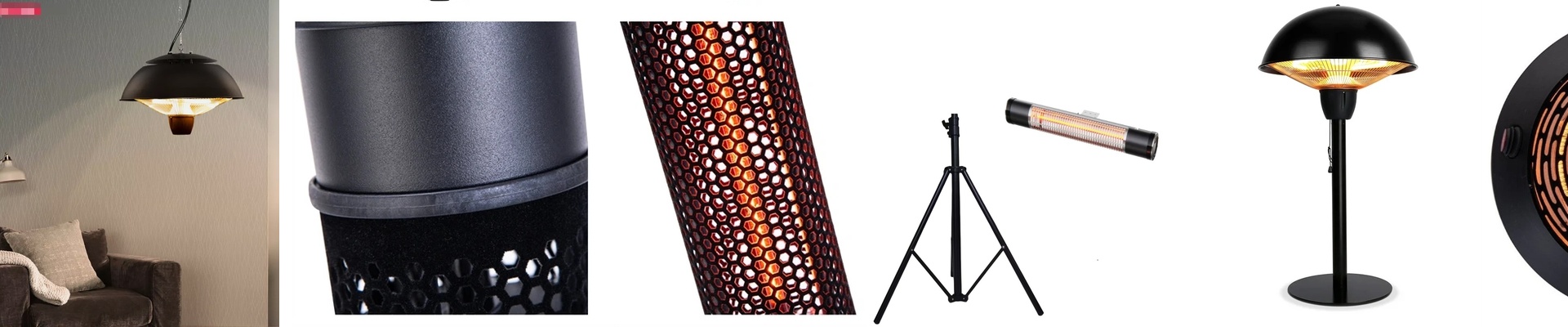
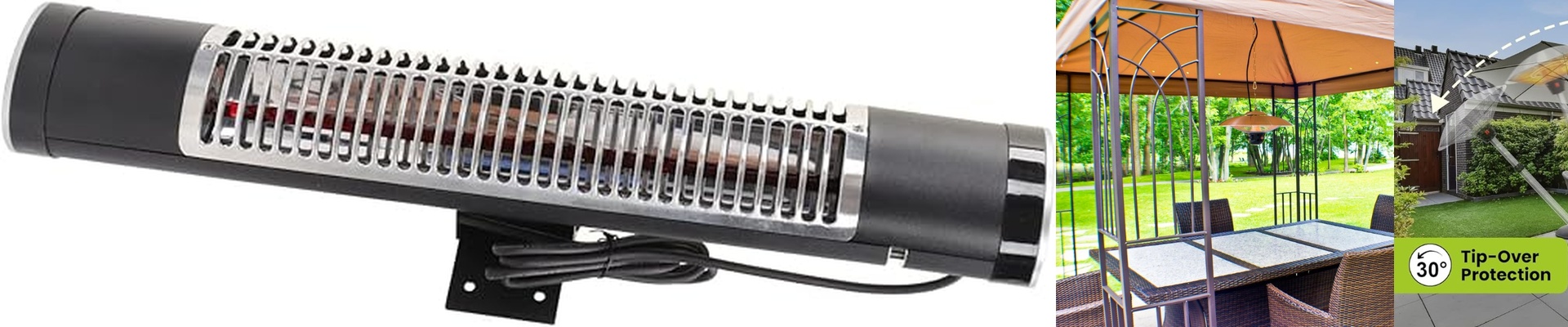
We built this infrared towel rail heater for the real world. The kind of world where your patio furniture gets battered by wind and your guests are shivering before they even get seated. This isn’t some delicate indoor gadget. It’s a direct-radiant workhorse, designed to throw intense, targeted heat right where you need it. The whole point? Turning a cold, empty patio into a space that actually makes you money. You get warmth to your guests instantly, without wasting energy heating the empty air around them.
Power and Configuration: The Inside Story
Here’s the thing about real power: it needs a serious backbone. This heater runs on a 400V supply, because that’s what it takes to pack a serious punch into a compact frame. A single 300mm tube cranks out 2500W of heat. That’s a lot of heat density. So, no, you can’t just plug this into any old outlet. You need to plan your electrical setup accordingly. We made the length match standard towel rail frames, so the installation looks clean and integrated. And the payoff? Even when it’s well below freezing outside, this thing throws out enough thermal energy to keep a whole dining table warm and cozy.
The Halogen Core: Why It Works
Inside, you’ll find a halogen-filled quartz tube. The magic here is the halogen cycle. It keeps the heating element clean, even at scorching temperatures. That means a steady, reliable heat output and a long life for the whole unit. And the R7s connector? It’s the industry standard for a reason. It gives you a rock-solid, high-temperature connection that can handle the expansion and vibration of daily commercial use. Best of all, it’s a simple drop-in replacement for most existing commercial rail systems. When it’s time for maintenance or a retrofit, you’re not reinventing the wheel.
The Payoff: Warm Seats, Longer Hours
Think about an open-air restaurant. The goal is simple: more occupied seats, faster table turnover. This heater gets you there. It works by heating people and surfaces directly, not the air. So the warmth hits instantly. And when the door swings open? The heat stays put. It doesn’t just vanish into the night. There is one catch, though. The heat is directional. So you have to plan your layout to make sure the beam is hitting the right spots. But when you get it right, you’re not just throwing heat around. You’re putting it exactly where you’re paying for it. And that means you can keep your doors open later, even when the temperature drops, and actually make the most of the winter months.