
Introduction
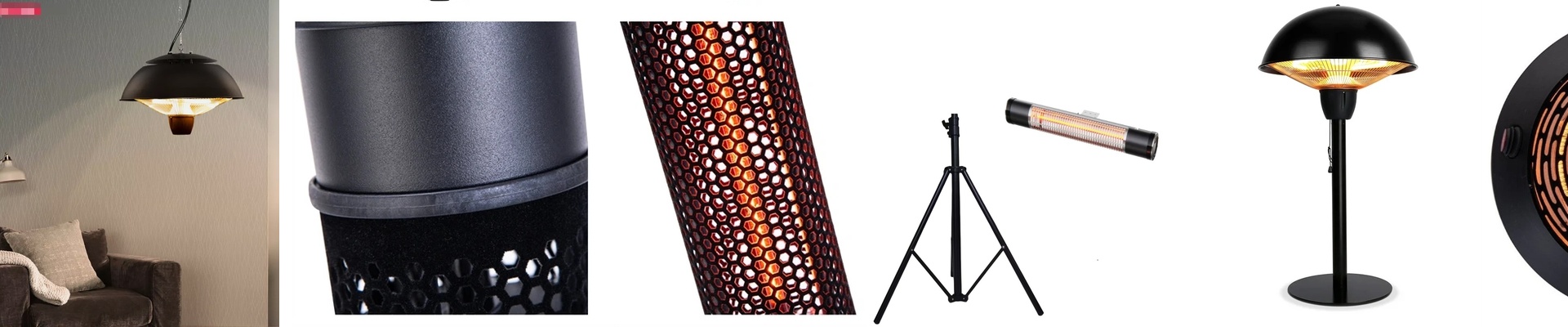
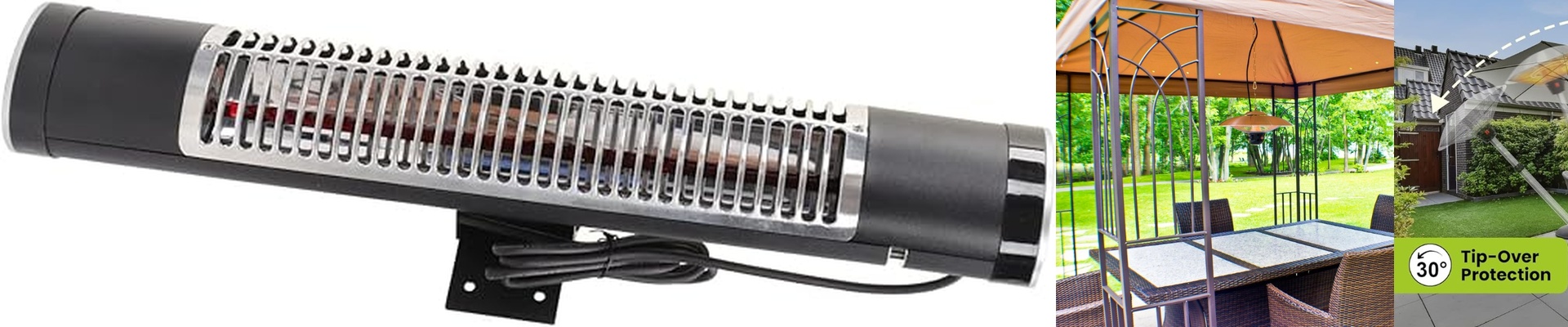
Here’s the idea behind our plug-in wall heaters: we don’t waste energy heating the whole room. Instead, we focus on one thing—sending out targeted infrared warmth. For bathrooms, that means matching the wattage of the halogen lamp to the actual size of the space. The payoff? You get warm fast, without the energy bill skyrocketing.
Power, Voltage, and What Fits Where
Infrared heating is all about packing a punch in a small space. A 1500W unit comfortably covers about 10–15 square meters. Step up to 2000W, and you’re looking at 15–20 square meters. It’s simple physics—more watts means more infrared power. We design these units to run on standard mains voltage (220V–240V). That way, they plug straight into your existing bathroom wiring. No need for a bulky transformer. Keeps installation simple and keeps the price down. But there’s a catch. A 2000W heater draws a lot of current, so you’ve got to make sure your circuit breaker can handle the load. If the wiring’s too light, you’ll be tripping breakers or risking overheating at the connections.
The Heart of the Heater: Halogen, Quartz, and the R7s
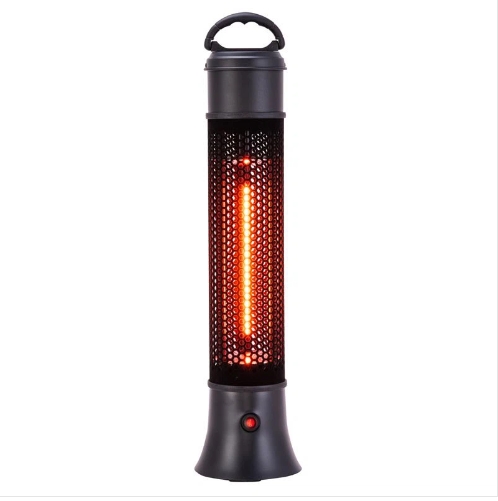
Inside, you’ve got a quartz tube filled with halogen. The halogen cycle keeps the filament clean and stable, so the output stays strong over time. The quartz itself handles the high heat and lets the infrared energy pass through efficiently. We use an R7s connector because it’s a standard, reliable two-pin setup. That means the lamp is a straight swap. No adapters. No messing around with custom wiring. Just slide the tube in, lock it down, and you’re good to go.
Why Bathrooms Love This Kind of Heat
Bathrooms are tricky. They need heat fast—especially when you’re stepping onto cold tiles or facing a frosty mirror. But you don’t want to heat the entire house just to make the bathroom cozy. Infrared wall heaters hit the sweet spot. They warm people and surfaces directly, so you’re not wasting energy heating air that just escapes. That direct transfer keeps operating costs lower than old-school convection heaters. For anyone planning a bathroom setup, the key is simple: size the wattage to the room, check your circuit capacity, and you’re set. No overthinking. No underperforming. Just warm, focused heat exactly where you need it.