Stop Wasting Power on Your Oven Walls
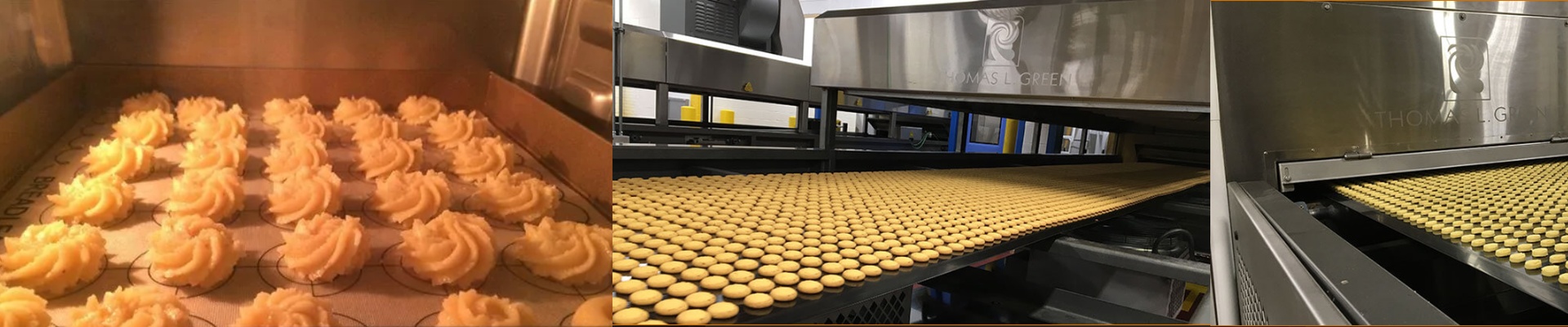
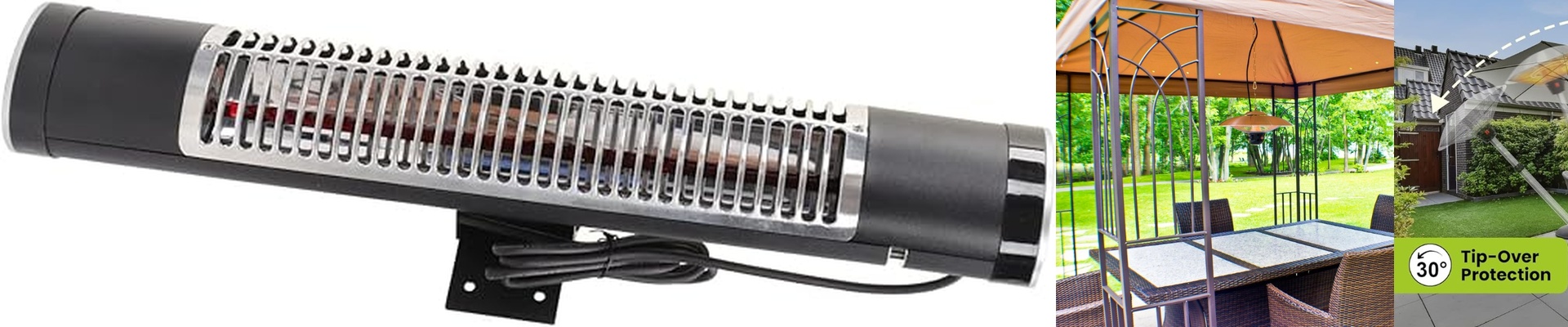
If you’re designing bread ovens, your first instinct is probably to slap on more insulation to save energy. That helps, sure. But you’re missing the bigger leak. The real waste happens in those annoying swings—the overshoot and undershoot—whenever your thermal cycles kick in. We’ve found that switching to Medium Wave IR emitters fixes this because you stop relying on hot air and start using direct radiation.
Why speed actually matters
Think about your standard heating elements. They’ve got a lot of “thermal mass,” which is just a fancy way of saying they take forever to warm up and even longer to cool down. Here’s the problem: by the time your controller says “stop,” the element is still glowing hot, dumping leftover heat into the oven. You end up over-baking the bread or shutting the system off way too early just to compensate. Our Medium Wave emitters are different. They react in seconds. Because they hit their target temperature almost instantly, you can pulse the power (PWM) to keep the heat steady. No more jagged temperature spikes. You aren’t spending kilowatts to heat the air and the oven walls anymore. You’re just heating the dough.
Getting it right on the shop floor
To get that kind of speed, we use quartz envelopes and very specific filament alloys. For bread, Medium Wave is the sweet spot. It digs deeper into the crust than short-wave heat, but it doesn’t take up nearly as much space as those massive long-wave heaters. But you have to be careful with your settings. You need to match your power density to how fast your belt is moving. If you put a high-wattage tube in a slow-moving oven, you’ll scorch the top of the loaf before the middle is even warm. I usually suggest balancing the wattage against the distance to the product. It’s the best way to kill those annoying “hot spots.”
The catch
Look, nothing is perfect. This kind of fast response comes with a trade-off. Rapidly cycling your power puts a lot more stress on your contactors and SSRs. If you’re flipping high-kilowatt loads every few seconds, your electrical cabinet is going to get hot. Make sure you’ve got plenty of airflow in there, or you’ll be replacing burnt-out relays a lot sooner than you’d like.