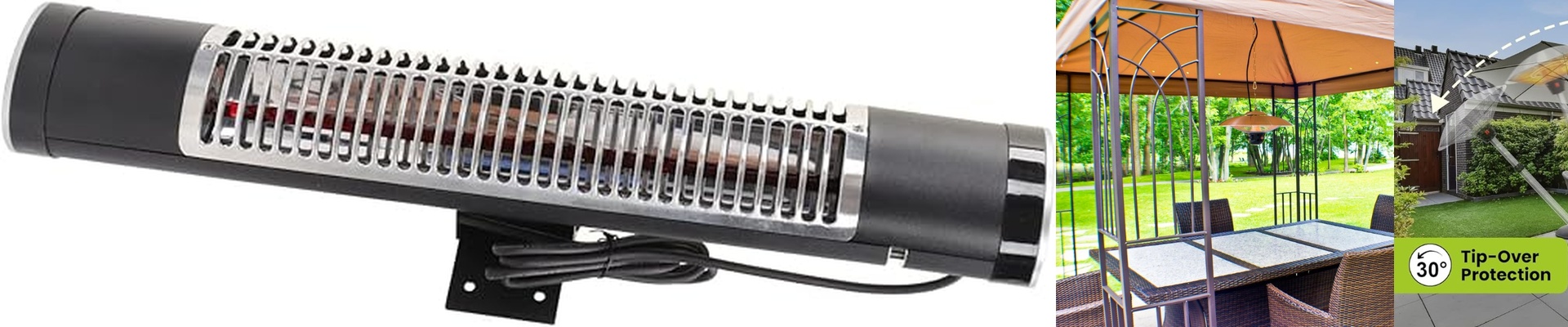
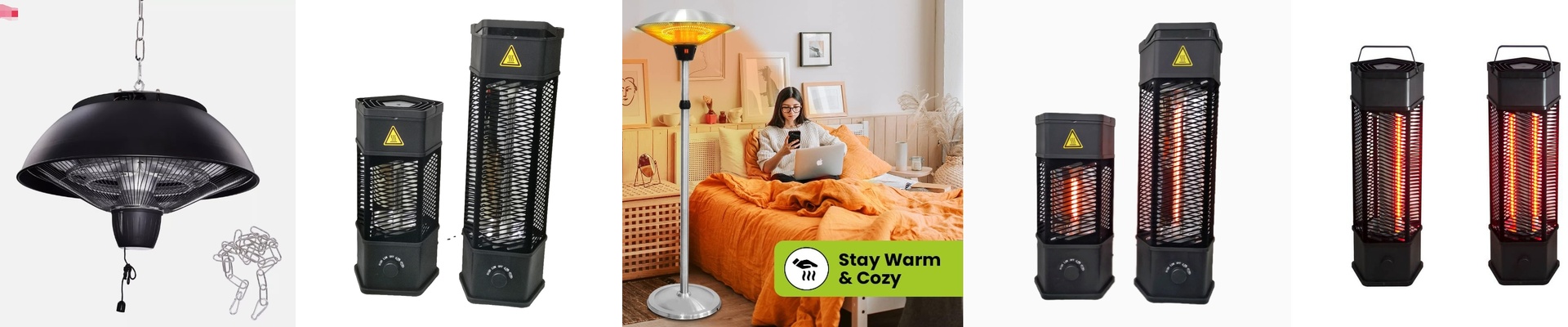
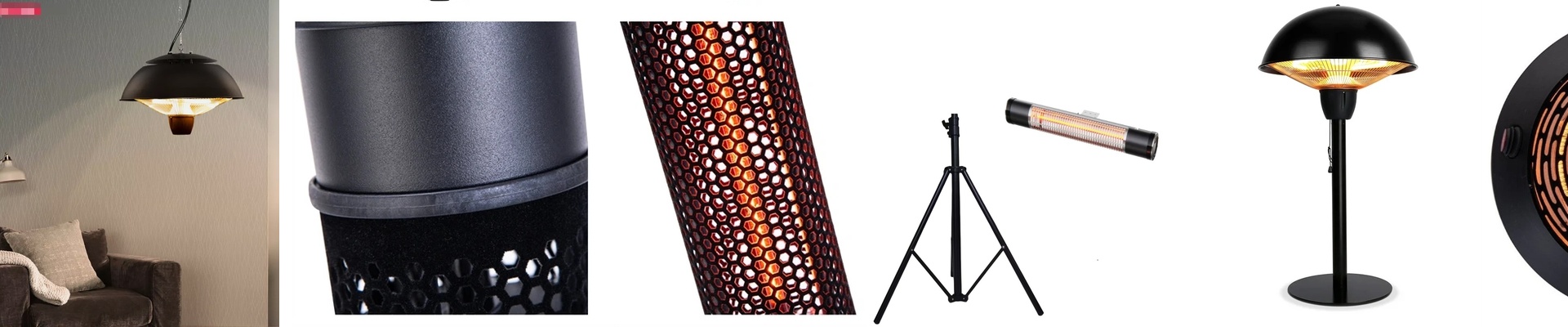
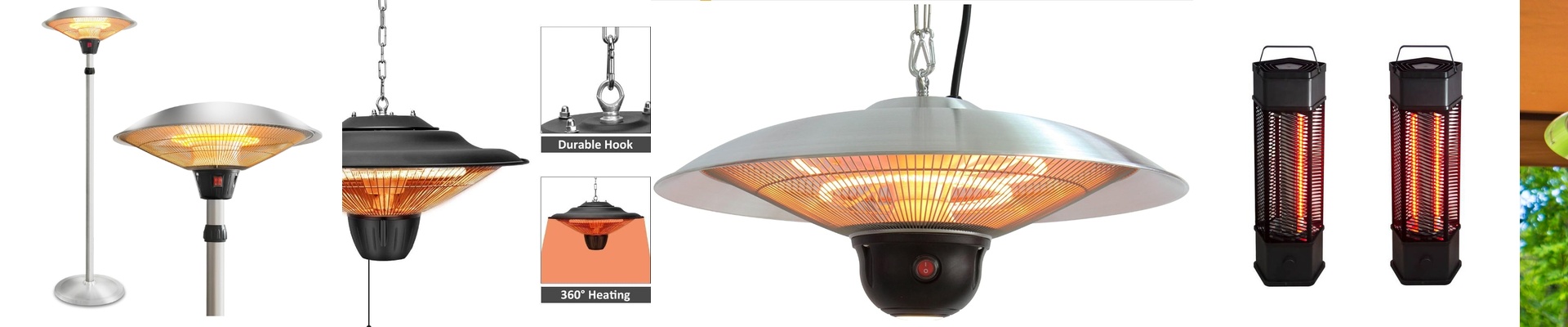
The front counter is where the last few seconds of prep become the customer’s first impression. A slice that should be glossy and hot out of the oven turns dull and sticky. Sandwiches sit under the heat, but the top stays dry while the bottom goes leathery. You twiddle the thermostat, shuffle pans, and still the display looks tired before the lunch rush is halfway done. That’s why warming performance isn’t just about “heat.” It’s about heat that hits the product surface fast, holds steady without wild swings, and stays even across the whole cabinet. Short wave radiant heaters are built around that idea: direct infrared energy aimed at the food, not the air around it.
What matters under the hood
Short wave radiant heaters deliver energy in the near-infrared band, typically peaking around 1.0–1.2 microns depending on the emitter design. That matters because shorter wavelengths are absorbed quickly by the outer layers—bread crust, cheese, sauce, deli meats—so the surface recovers almost immediately. You don’t have to wait for the cabinet air to catch up. In practice, three performance points decide whether your display protects quality or wrecks it. **Temperature control accuracy.**If the cabinet can’t hold a steady target, you drift into underheating or scorching. We build the control around repeatable, low-drift regulation so heater output stays matched to the setpoint. The payoff is straightforward: the product surface stays in the sweet spot where it stays moist and appetizing, without cycling between cold and charred. **Heating uniformity.**Uneven heat shows up fast—one corner looks fresh, the other looks stale. Short wave emitters are arranged and reflected to spread intensity evenly across the warming zone, cutting down hot spots and cold edges. The result is consistent color and texture across the whole tray line, not just in the middle. **Response speed.**When the door opens and closes, when product is added or pulled, demand changes in seconds. Short wave radiant systems respond quickly because energy goes straight to the product, not through a slow air-heating cycle. That keeps recovery short and helps the display look full and hot even during rush. Energy use is a real-world spec, not a marketing line. Because the heater concentrates energy on the product surface, less is wasted heating empty air or radiating into the surrounding counter. In busy service windows, that often means lower energy per item held at temperature compared with conventional warming methods.
Why this approach fits the front counter
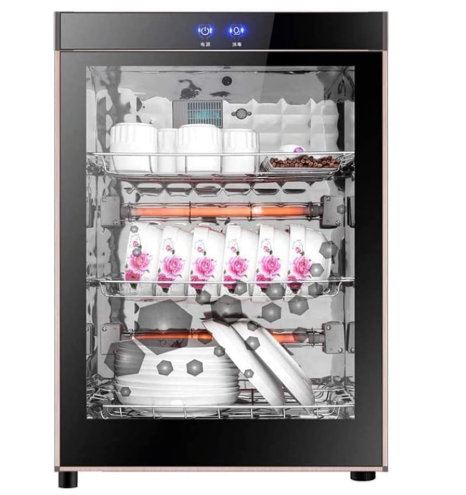
In a commercial warming display, the product is exposed and vulnerable. Every minute under heat changes texture. Bread dries out. Cheese oils separate. Sauces break. The job is to hold product at the temperature that preserves quality—consistently, through service. Short wave radiant heat works here because it targets the surface—exactly where the customer judges quality. It brings the exterior back to temperature fast, which reduces the need to overheat the whole cabinet. That means fewer quality losses, fewer discards, and fewer “reheat” compromises that show up as tough crusts or split sauces. Operationally, it also keeps the line moving. When heat response is quick, staff don’t have to guess how long to leave items under the lamp or how far to stack them. The display recovers fast after door openings and restocking, which cuts down on the micro-decisions that slow service. And because the heating is direct and localized, the surrounding counter stays cooler. That reduces the heat load in front-of-house, which helps with staff comfort and can ease the strain on HVAC and ventilation during peak hours.
What to watch for
Short wave radiant heaters are straightforward, but they have real-world requirements. **Line of sight matters.**Radiant heat travels straight. If trays, pans, or shields block the emitter, those blocked areas run cooler. Plan the layout so the heater sees the product surface, and use reflectors to distribute intensity evenly across the warming zone. **Installation is simple, but spacing isn’t optional.**Mounting distance and angle set coverage and intensity. Too far, and response slows and intensity drops. Too close, and you risk localized overheating. Follow the spacing and clearance specs for your cabinet depth and tray configuration. **Keep emitters clean and dry.**Grease, dust, and condensation can reduce output and create uneven heating. Build a routine cleaning schedule that matches your menu—heavy-use kitchens need more frequent maintenance than low-moisture bakery displays. One more point: short wave radiant is optimized for surface heating and holding. It’s not a substitute for baking or browning. If you need crisping or caramelization, you still need an oven step. This is the tool that keeps the finished product at its best right up to service. If your display struggles to hold temperature without drying food out, short wave radiant warming is a practical upgrade that targets the real failure point: the gap between heating power and product quality.