
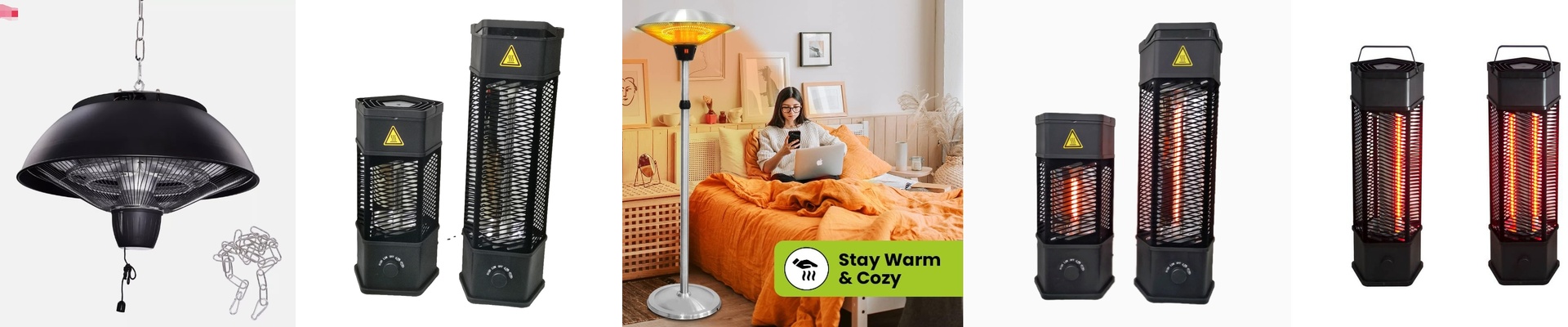
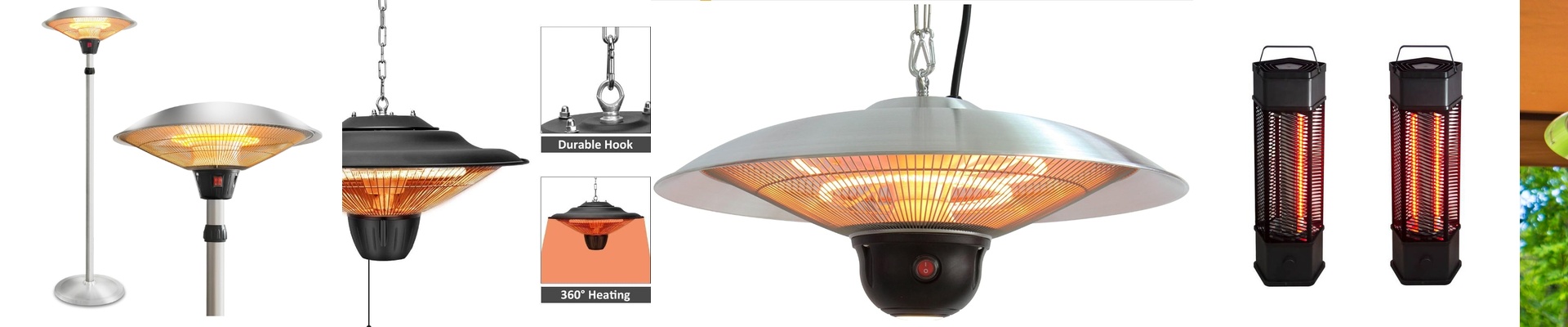


On a cold garage workbench, the air bites. Drafts slip under doors and through cracked panels, stealing heat right when you need steady hands on a wrench, screwdriver, or welding torch. When the shop stays chilly, the work slows down—tolerances drift, and the first few minutes of any job turn into a fight against stiffness. A small room heater built around infrared warmth changes that. It heats people and work surfaces directly, not the whole volume of air.
What matters technically
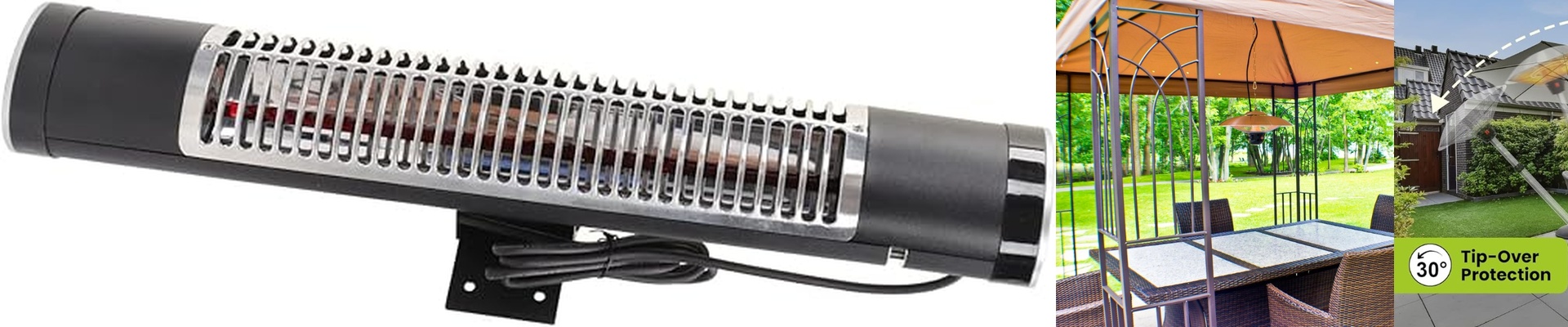
We build this small room heater around a quartz infrared tube that throws radiant heat within seconds of powering on. The element runs at a practical 1500W on a standard 120V outlet, so it plugs into most garage receptacles without special wiring. The beam warms what it hits, so you feel heat at the work surface even when the surrounding air is still cold. A simple reflector keeps output directed forward, and a built-in thermostat stops the space from swinging between too hot and too cold. For safety, the heater includes tip-over protection that cuts power if the unit gets knocked over, and the outer tube stays cool enough to touch near the ends.
Why it works here
In a garage workstation, you don’t need to heat the whole building—just the spot where your hands are busy. Infrared warmth reaches your gloves, tools, and the metal you’re working on, which helps you keep dexterity and comfort. That translates to a faster warm-up before delicate tasks, fewer pauses to warm hands, and less muscle stiffness when the shop is drafty. Because the heater targets the work area, the energy use stays focused, and you don’t have to run large forced-air units that stir up dust and noise.
Things to know
This heater is built for localized comfort, not whole-shop heating. For the best results, place it 3 to 5 feet from the workbench, aimed at your chest and hands, and keep combustibles at a safe distance. It works well in enclosed or semi-enclosed spaces. In a very open garage, position it out of strong wind so the warmth stays where you need it.