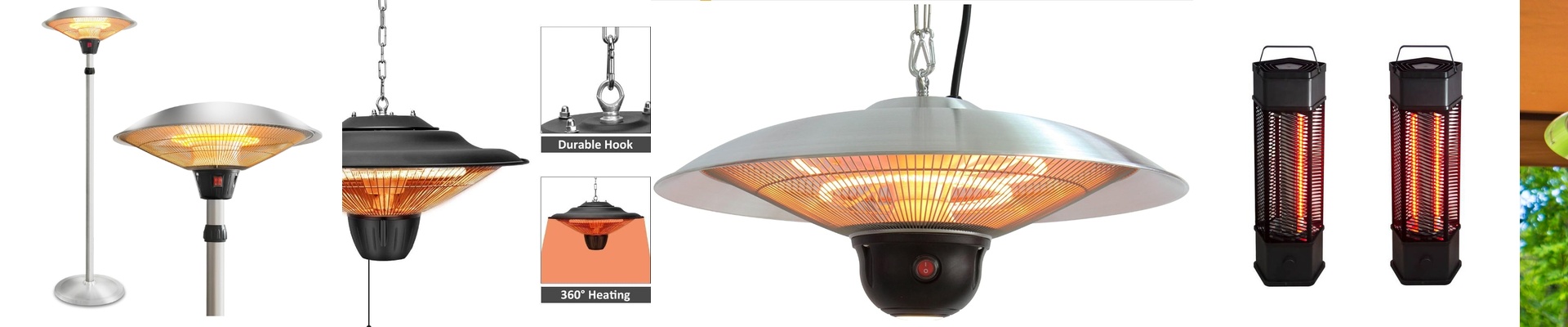
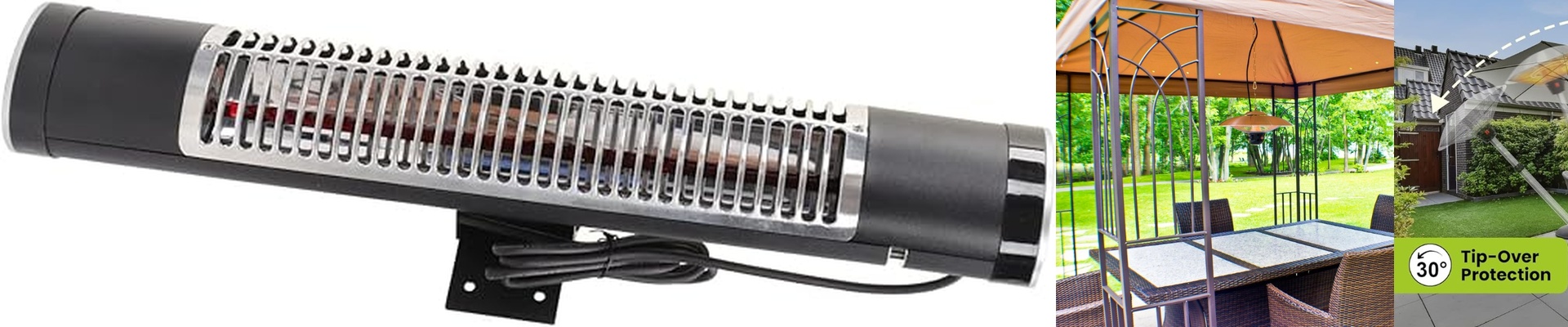

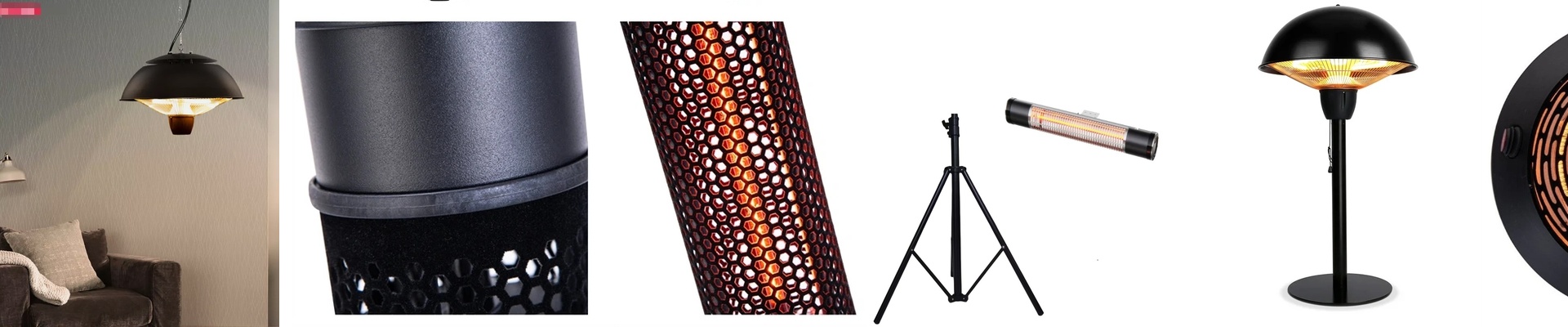
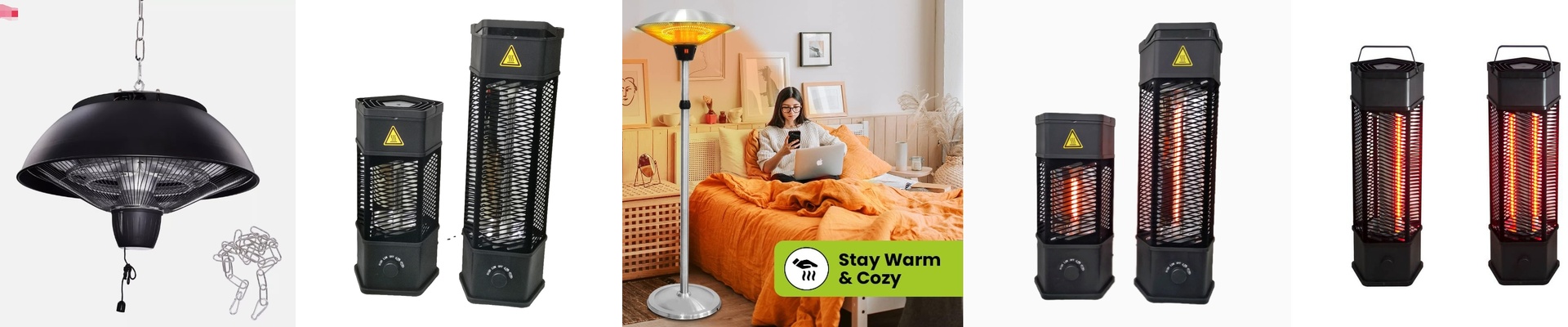
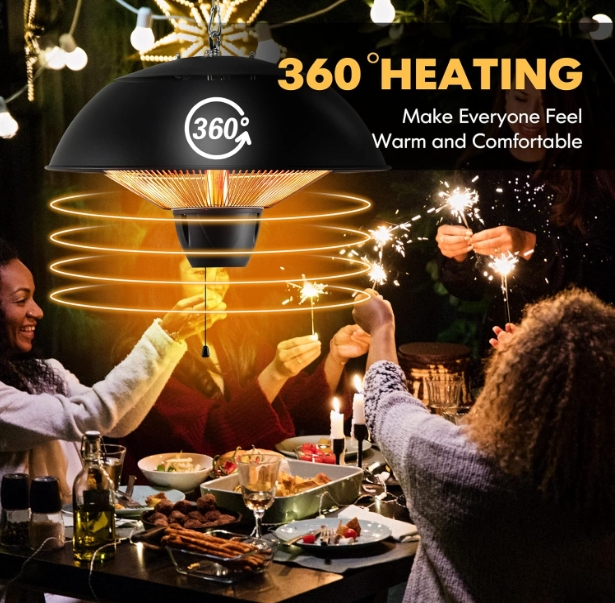
We built this electric heater with one goal in mind: make modern infrared warmth straightforward enough to fit into more homes, period. Whether you’re fighting a chilly workshop, a drafty sunroom, or a cool evening on the patio, comfort shouldn’t be a special-occasion thing. It should just work.
What’s actually going on under the hood
This unit leans on infrared technology, so you’re getting radiant heat—warmth that travels outward and hits people and surfaces directly, instead of chasing air around the room. Inside, a carbon fiber element comes up to temperature fast and holds an even glow, while a built-in thermostat keeps things steady. The smart controls let you set schedules, dial in the output, and keep an eye on energy use right from your phone. On the safety side, you’ve got tip-over protection and an automatic shut-off if it ever runs too hot.
Why this approach shines in the spots that give other heaters trouble
In spaces that are hard to heat—uninsulated rooms, high ceilings, or open outdoor areas—infrared warmth is the kind of difference you feel immediately. You get comfortable faster, and you’re not wasting energy heating empty air. The smart features matter here, too. You can time it so the room is warm when you arrive, without leaving the heater running all day. And you can match the heat to the moment: a low, background level while you’re working, then a quick boost when you step outside.
The practical details that keep it working the way it should
Because this is an electric infrared heater, it needs a standard power outlet and enough circuit capacity to run without tripping. Position it so the radiant beam reaches the main seating area, and keep the path clear—no blocking the warmth. If you’re using it outdoors, check the IP rating and keep the unit sheltered from direct rain. It’s designed to be easy to place, but like any heater, it performs best when it has room to do its job.