
Getting the Temperature Just Right with Infrared
If you’ve ever tried high-stakes baking, you know that just setting a dial to 400 degrees isn’t enough. You need the heat to move in stages. The problem with old-school heating elements is that they’re sluggish. They take forever to warm up and, more annoyingly, they keep bleeding heat long after you’ve turned them off. It’s like trying to steer a cruise ship—you turn the wheel, but the ship keeps going straight for a while. That’s why we use shortwave infrared bulbs.
Why the speed matters
These bulbs are a different beast. Instead of heating the air and hoping it reaches your bread, they use radiation. We’re talking about a tungsten filament wrapped in quartz that hits full blast in milliseconds. This lets us do something called “step-wise” control. Basically, your controller can pulse the lamps on and off almost instantly. If the sensor sees the temperature jump even one degree too high?**Click.**The lamps are off. There’s no lingering “heat soak” to burn your crust or ruin the batch. It’s precise. It’s fast. And it takes the stress out of the process.
The gritty details (and the traps)
On the hardware side, we stick with R7s or SK15 connectors. Why? Because ovens vibrate, and you don’t want your electrical contacts rattling loose mid-bake. But here is the catch: you have to be careful with your power density. When you cram that much wattage into a small tube, you get a massive hit of heat. It’s incredible for searing the outside of a loaf, but it’ll chew through cheap wiring. If you use standard relays, the constant clicking will fry your switchgear in a few months. You need gear that can handle high-frequency switching, or you’ll be replacing parts way too often.
Real-world results
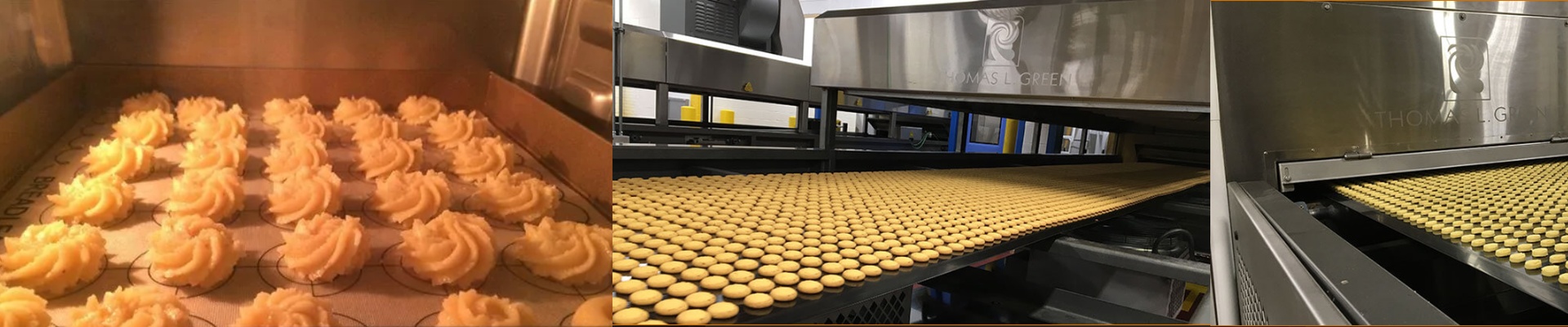
In a professional bakery, this is how you nail the “oven spring.” You can blast the dough with intense heat for 30 seconds to get that maximum volume and height, then instantly drop back to a steady hold. No guessing. No praying. Just a perfect bake every single time.