
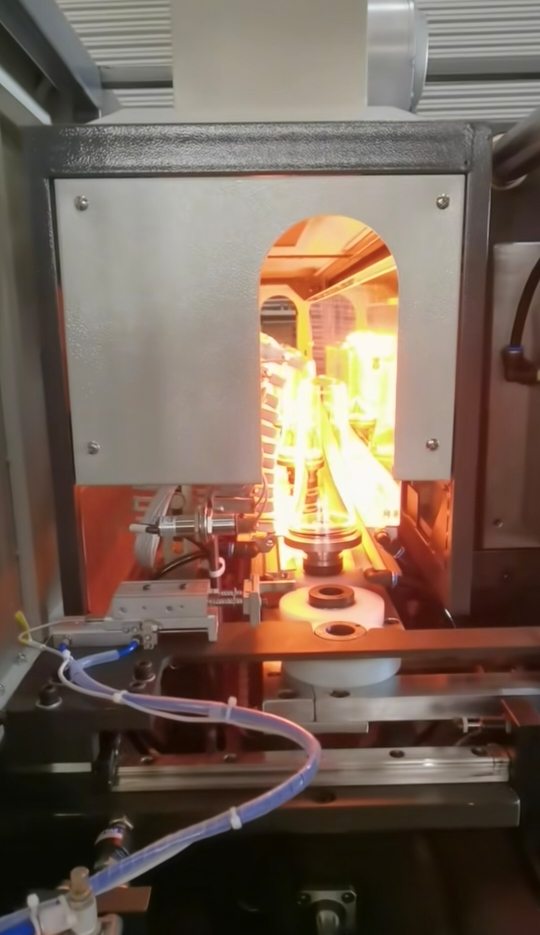
Stop the Constant Lamp Swapping on Your SIG Blomax Lines
If you feel like you’re replacing lamps on your SIG Blomax line every other week, you’re probably wondering why. Most people assume it’s a voltage spike or some electrical ghost in the machine. But usually? It’s just that the tubes can’t handle the beating they take. We’ve spent a lot of time figuring out how to stop those annoying, unplanned stops. The secret isn’t in the electricity—it’s in the glass.
Built for the Chaos of the Factory Floor
High-speed cycling is brutal. Between the mechanical vibrations and the constant swing from freezing to scorching, standard PET lamps just snap. It’s thermal shock, plain and simple. We decided to toughen things up. By tweaking the wall thickness of the quartz envelope and making sure the filament is dead-center, we’ve built a lamp that doesn’t freak out during rapid heat-up and cool-down phases. The best part? They’re drop-in replacements. You don’t have to mess with your PLC settings or rewire your cabinets. They fit the original SIG footprint perfectly.Just swap them in and get back to work.
A Little Note on Heat
Here is the trade-off: because the tubes are reinforced, the wall thickness is a bit different. This can shift the thermal emission just a tiny bit. You’ll still get that precise shortwave IR needed to penetrate the PET resin without scorching the surface, but you might need to nudge your oven temperature set-points up or down by a few degrees to hit that sweet spot. It takes two minutes to dial in, and it’s worth it for the stability.
One Pro Tip for Installation
When you’re wiring these up, please—check your contact tension. Loose contacts cause arcing, and arcing kills the ends of your lamps. It doesn’t matter how strong the glass is if the connection is flaky. Make sure it’s tight. Stop treating broken lamps as just “the cost of doing business.” It’s frustrating, it’s wasteful, and it kills your uptime. If your current tubes are snapping, your line is bleeding money. Switch to hardware that’s actually built for the stress of a Blomax floor.