
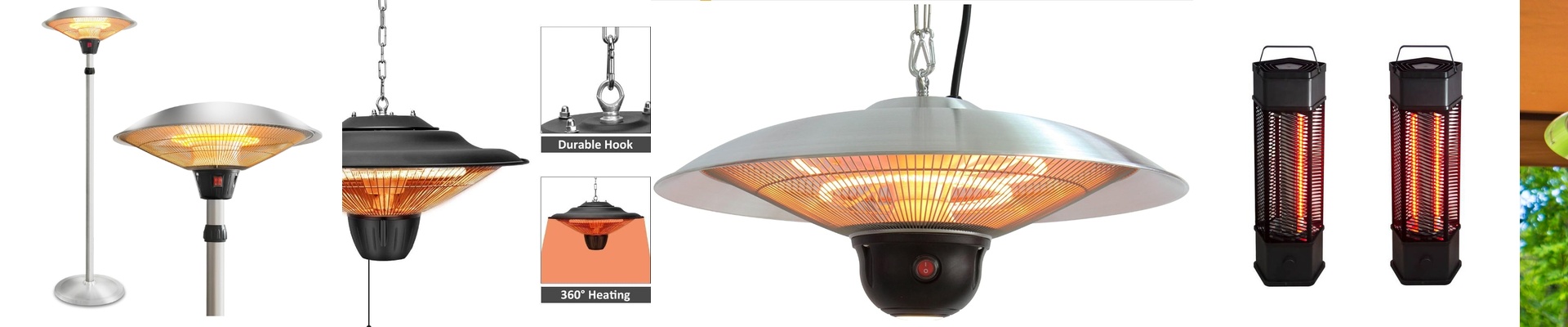
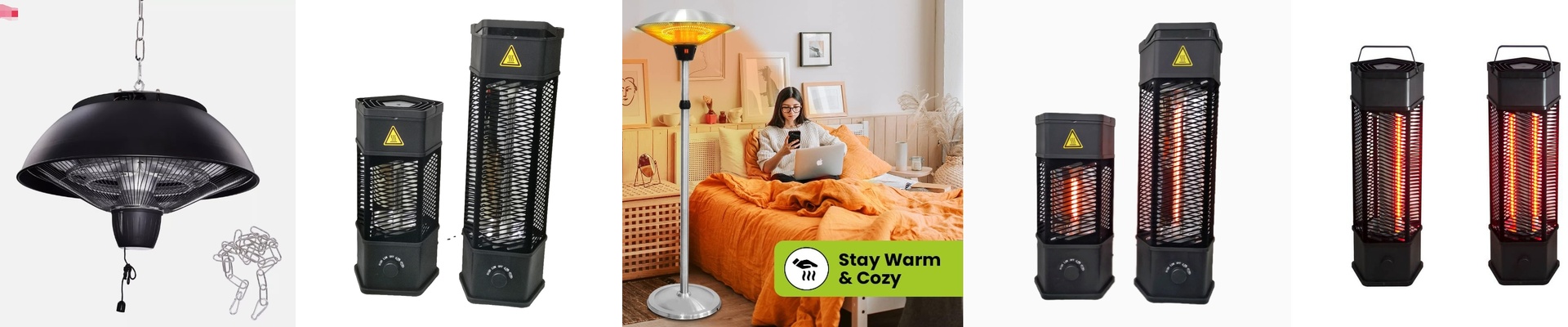
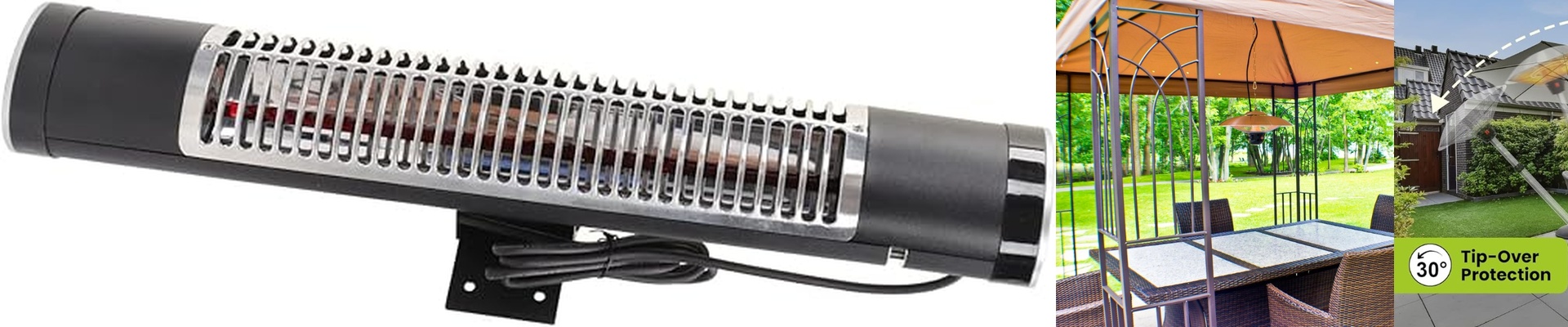
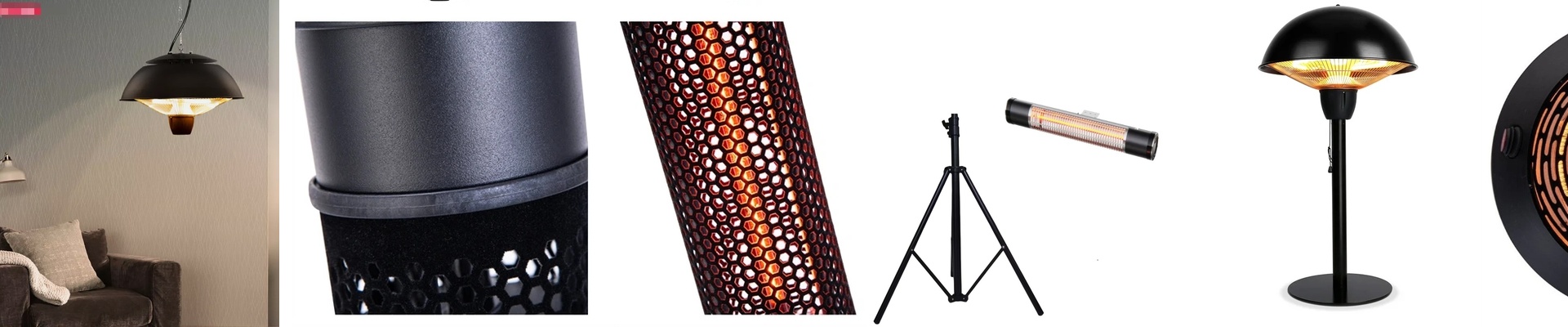
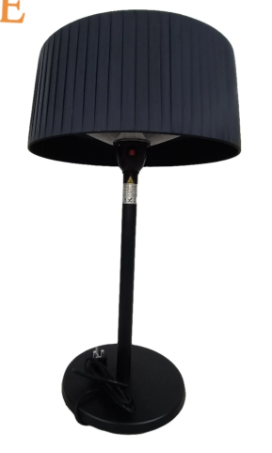
We set out to do one thing: make solid infrared warmth accessible—no premium price tag required. That means building electric heaters you don’t just tolerate, but genuinely like using. Especially when safety is baked into the routine, not an afterthought.
What actually matters under the hood
Infrared electric heaters work by radiant heat—warming people and objects directly instead of trying to heat the air. Inside, a carbon fiber or quartz element comes up to temperature fast, so comfort arrives immediately, and a thermostat keeps the feel steady. The safety move you really want is tip-over protection. If the unit gets bumped or goes over, an internal switch cuts power instantly and stops the heat until it’s set upright again. That’s paired with a wide, stable base and a low-center-of-gravity housing to reduce the odds of it tipping in the first place.
Why this approach fits real homes
This design matches what people actually need: warmth that’s affordable, tough enough for daily use, and easy to place. In living rooms, bedrooms, workshops, or enclosed porches, you get fast comfort without waiting around for the whole space to warm up. Direct infrared warmth can loosen up cold-season stiffness and make evenings feel more comfortable. And because the heater only runs when it’s upright and safe, you can settle in without hovering over it.
The details that keep it trouble-free
Tip-over protection does its job best when the heater sits on a level, hard surface—away from edges and foot traffic. Keep at least three feet of clearance from anything combustible, and skip extension cords for long runs; under full load, cords can overheat. For outdoor use, pick a model rated for damp locations—check the IP rating—and always plug into a properly grounded outlet.