
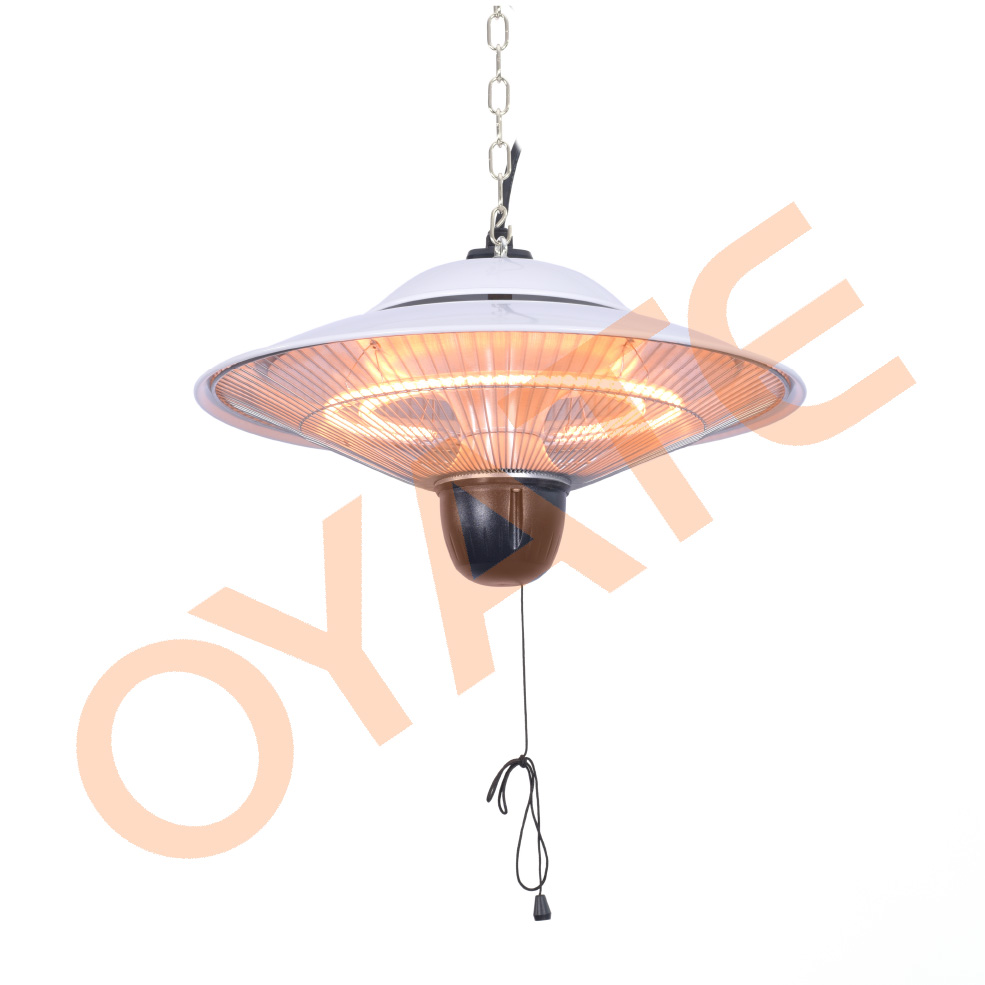
Stop Designing Heaters That Are a Nightmare to Fix
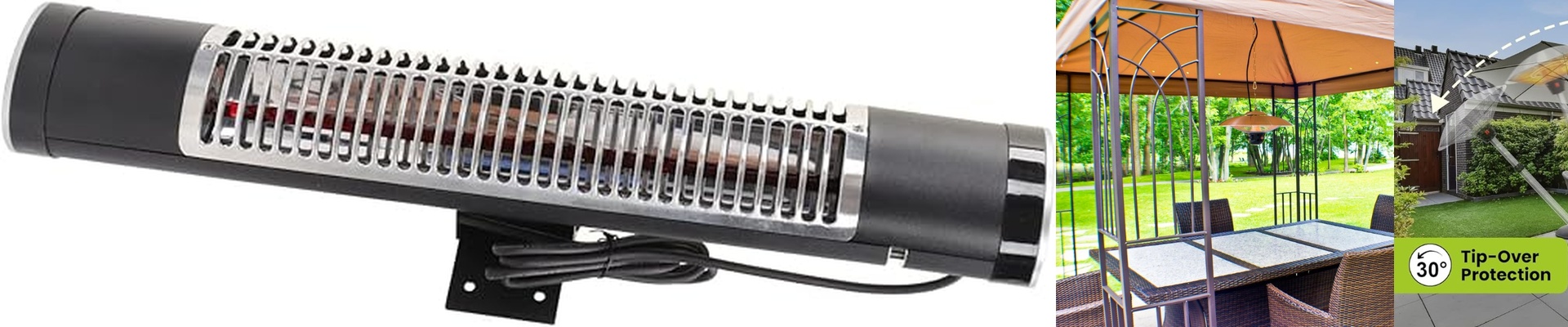
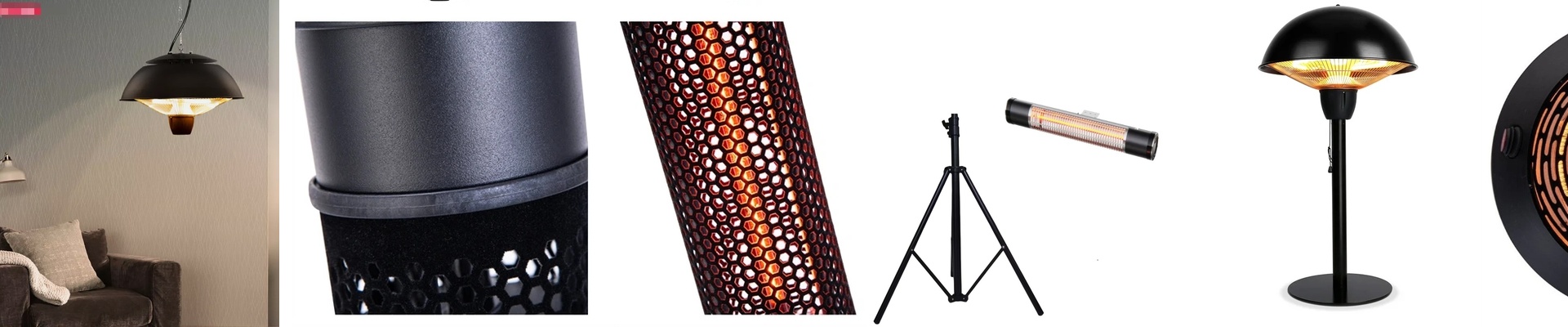
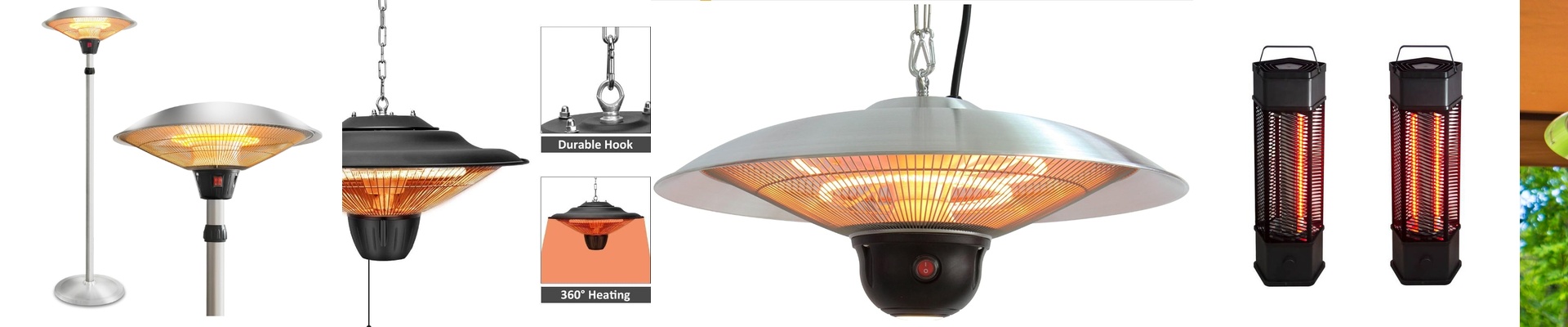
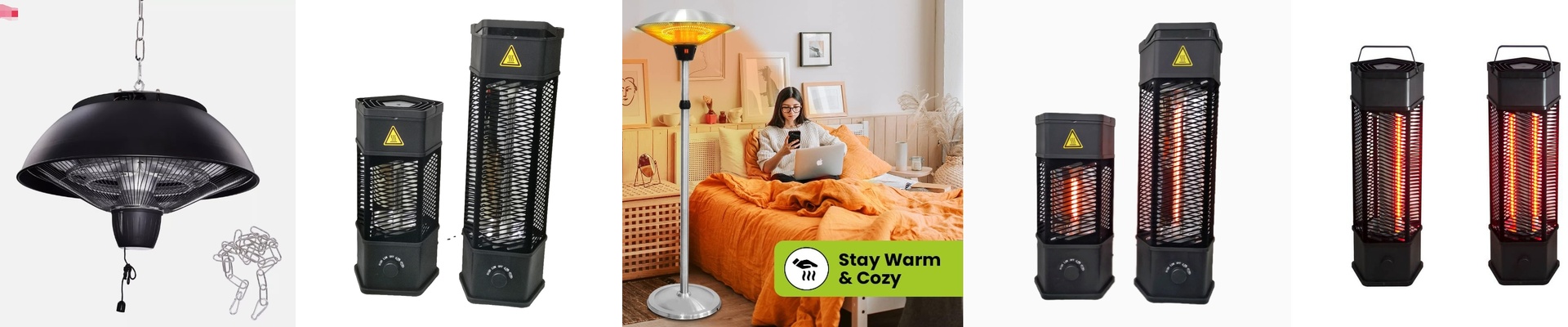
When we build IPX4 splash-proof heaters, we aren’t just checking a box for a waterproof rating. We’re thinking about that Tuesday morning five years from now when a heating element finally gives up the ghost. Here’s the problem: most splash-proof boxes are sealed so tight that if one tube burns out, you basically have to tear the whole thing apart just to get to it. It’s a headache. So, we decided to do it differently. The “Plug-and-Play” Approach We separated the heating element from the main chassis. Instead of burying the tubes inside the waterproof shell with permanent wiring, we went with a modular system. What does that actually mean for you? It means you can swap out a dead lamp without compromising the seal of the entire unit. You aren’t ripping out the whole assembly; you’re just clicking in a new part. It’s a lot cleaner. The Balancing Act Now, getting an IPX4 rating—which keeps water splashes from getting inside—usually comes with a catch. We use gaskets and sealed entries to keep the moisture out, but that traps heat. If you seal a heat source too tightly, the electronics inside can fry. That’s why getting your cooling fans or heat sinks right is so important. You need that airflow, even while the box stays shut. Real World, Real Downtime If you’ve ever worked in a factory, you know that downtime is the enemy. The cost of a stopped line is way higher than the cost of a replacement part. With a modular setup, a technician can slide out the old tube and drop in a new one in a couple of minutes. No soldering. No messing around with the main power feed. We built these for the messy environments where you need water protection, but you can’t afford to spend half a day on a simple repair. You get the safety of a sealed system, but it’s as easy to service as an open-frame heater.