
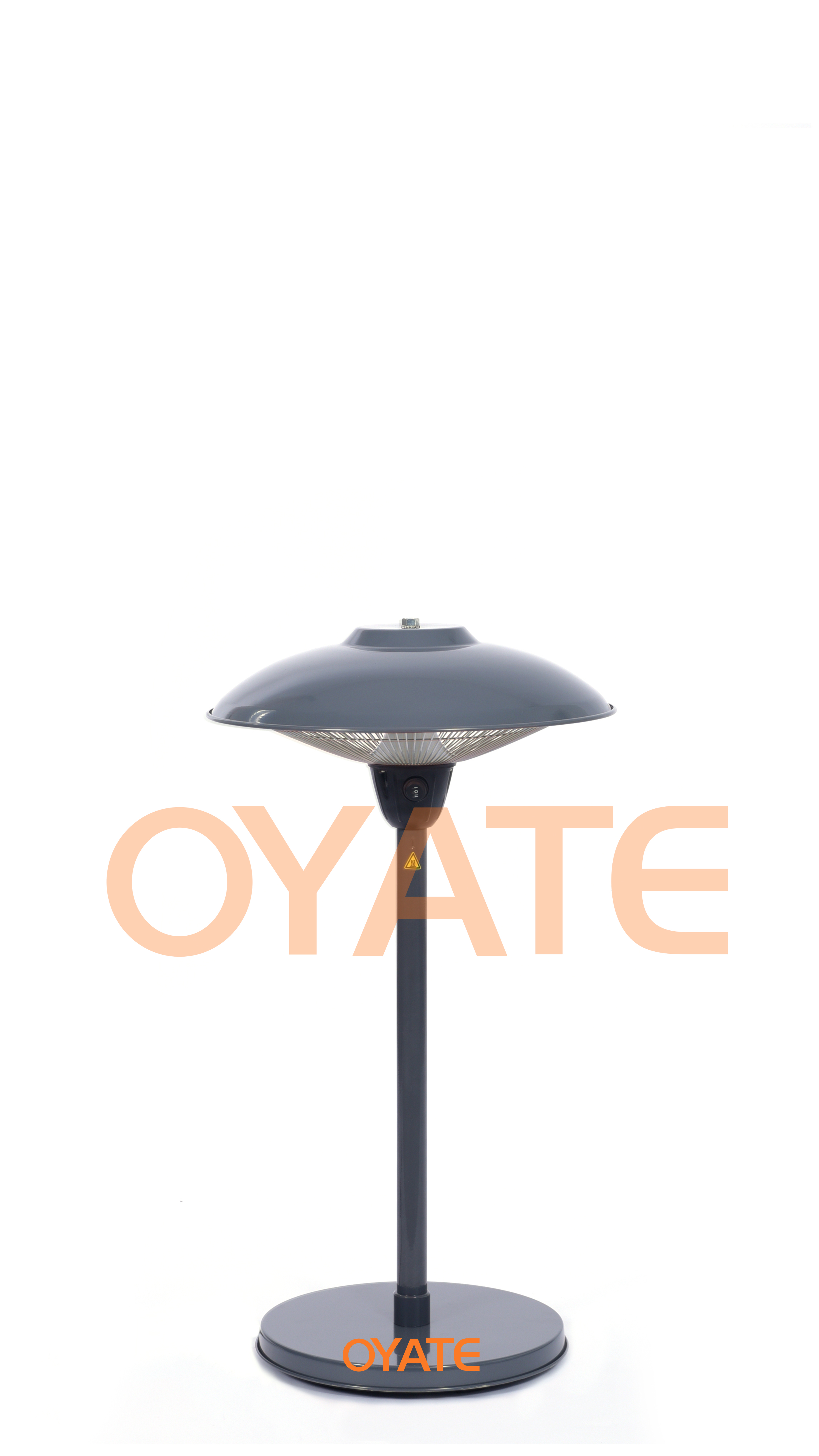
Getting the Heat Right in Bathroom Infrared Heaters
Heating a bathroom isn’t just about cranking up the wattage. If you’ve ever used a cheap heater, you know the feeling—that blinding, harsh light that makes you want to squint. When we design these lamps, our biggest goal is to give you the warmth without the glare, which is especially important if you’re warming up a baby. Dealing with the glare Most basic infrared lamps throw out a messy mix of light, including UV rays and high-intensity visible light. That’s why they feel like staring into a spotlight. To stop that, we use special quartz glass or thin-film coatings. Think of it as a filter that tells the annoying, bright light to stay put while letting the cozy, long-wave heat slide right through. Instead of a harsh flash, you get a soft, dim glow. It feels much more natural, and more importantly, it’s way easier on your eyes. Water, steam, and stress Bathrooms are brutal on electronics. Between the humidity and the occasional splash, things can go south quickly. We use IP-rated seals and high-temp gaskets to keep the moisture out. We also stick with quartz tubes. Why? Because they don’t crack when they go from ice-cold to scorching hot in a matter of seconds, unlike the cheap glass you find in a jar. One quick tip: make sure the housing has some breathing room. Even if the lamp is waterproof, if the heat gets trapped around the socket, you’re just asking for the wiring to fry. The balancing act Here’s the catch. When you filter out that bright light, you lose a tiny bit of energy. It’s a trade-off. To keep the room feeling just as warm, we usually have to bump up the wattage or tweak the reflector. But you can’t just keep adding power indefinitely. If you push too many watts into a small space, you risk melting the plastic casing. It’s all about finding that sweet spot where it’s toasty, safe, and doesn’t melt the fixture.