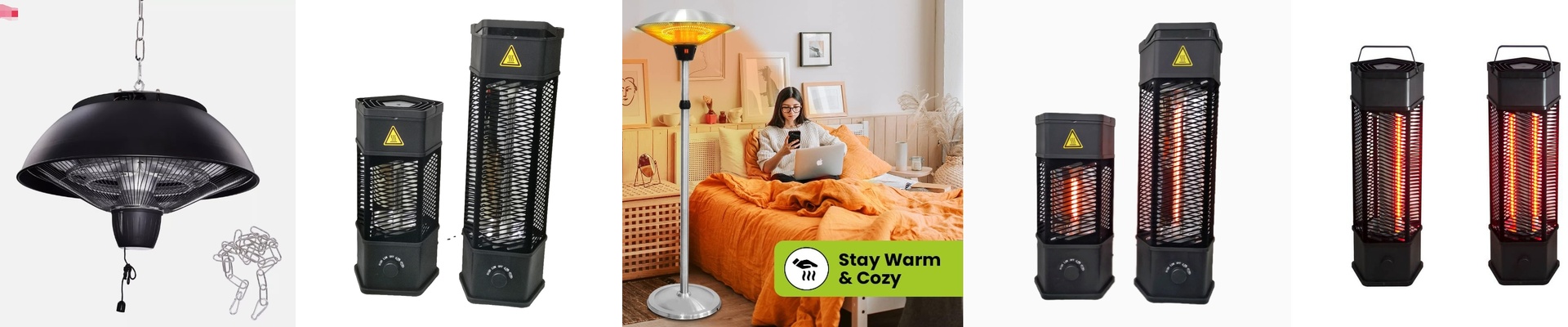
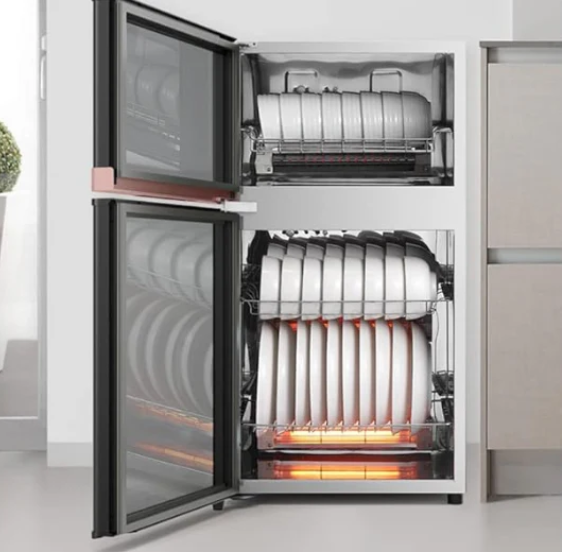
Why Halogen Infrared Actually Works for Food Warming
Ever notice how some heat lamps just feel like they’re warming the air, but the food stays lukewarm? That’s the problem with standard convection. It’s slow. It lags. We use halogen infrared lamps because they cheat the system. Instead of waiting for the air to get hot, shortwave infrared (SWIR) just ignores the air entirely. It goes straight for the water and fats inside the food. It’s basically a shortcut to heat.
Getting the heat where it matters
Here is how it works: we take a tungsten filament and get it incredibly hot inside a quartz tube. This creates shortwave radiation. Most heat just sits on the surface, which is how you end up with a burnt crust and a frozen center. But shortwave energy sinks deeper. It gets the molecules vibrating fast. The result? A crisp outside and a hot core, and it happens almost instantly.
The nitty-gritty on the hardware
We push these bulbs with high wattage because we want them to hit full power the second you flip the switch. We use quartz glass specifically so the lamp doesn’t shatter from the sudden temperature jump. And since nobody likes a headache during maintenance, we usually stick with R7s or similar snap-in connectors. You just pop the old one out and drop a new one in. But a word of caution: these things put out amassiveamount of energy in a tiny space. If your vents are clogged or your reflectors are slightly off, you’re asking for trouble. You could warp the chassis or fry your sockets. You’ve got to make sure your machine can actually breathe and handle the heat you’re throwing at it.
Real-world use
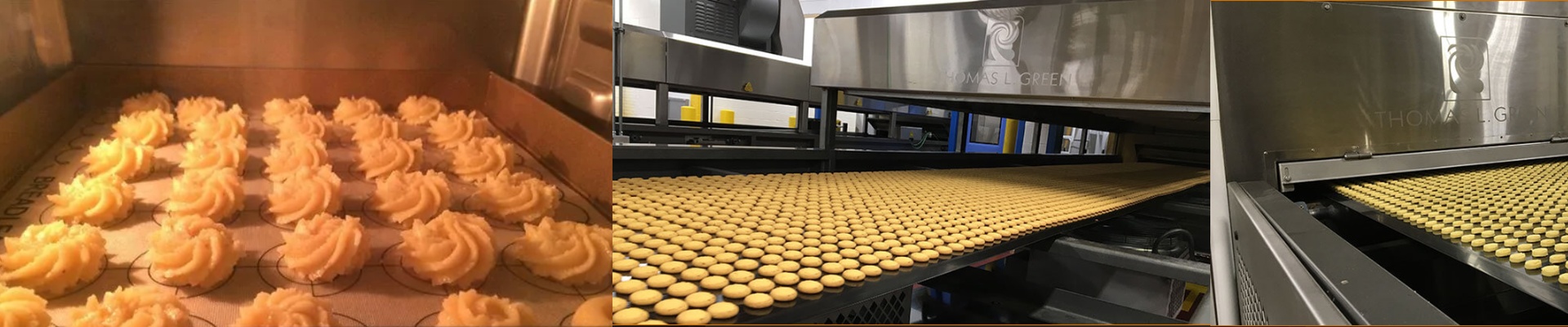
These lamps are built for the chaos of high-volume kitchens—think conveyor warmers or rapid-sear stations. The goal is simple: get the food in and out as fast as possible. We tune the wavelength so the heat hits the center before the outside overcooks. It’s all about finding that sweet spot where the food stays safe, tastes great, and moves through the line without a hitch.