Stop Fighting with Cold Spots in Your SIPA Rotary Systems
Ever notice those annoying “cold spots” on your preforms? It’s a nightmare. You end up with uneven walls, bottles that fail pressure tests, and a lot of wasted plastic. Usually, the culprit is simpler than you’d think. It’s almost always a mismatch between the lamp’s wattage and what your machine was actually built to handle.
The problem with “close enough”
Here is the thing about IR lamps: they are picky. If your rotary machine is spec’d for a specific voltage and wattage, using a replacement that is “close enough” doesn’t actually work. Even a tiny 5% shift in wattage messes with the heat flux. It changes how the infrared radiation hits the plastic. That’s why we obsess over the filament density. We build our lamps to be a 100% power match so the heat stays steady across the entire length of the tube. No surprises. No guesswork.
The gear under the hood
We use high-purity quartz glass because these things take a beating. They have to handle rapid heating and cooling cycles without cracking. We also stick to short-wave IR. Why? Because you want the heat to sink deep into the PET material quickly, rather than just scorching the surface. And we don’t mess around with the connectors. Whether you’re using R7s or SK15, we make sure they’re tight to stop any arcing at the contact points. The best part? They just fit. It’s a drop-in replacement, so you can swap them out without having to rewire your entire panel.
A quick reality check on heat
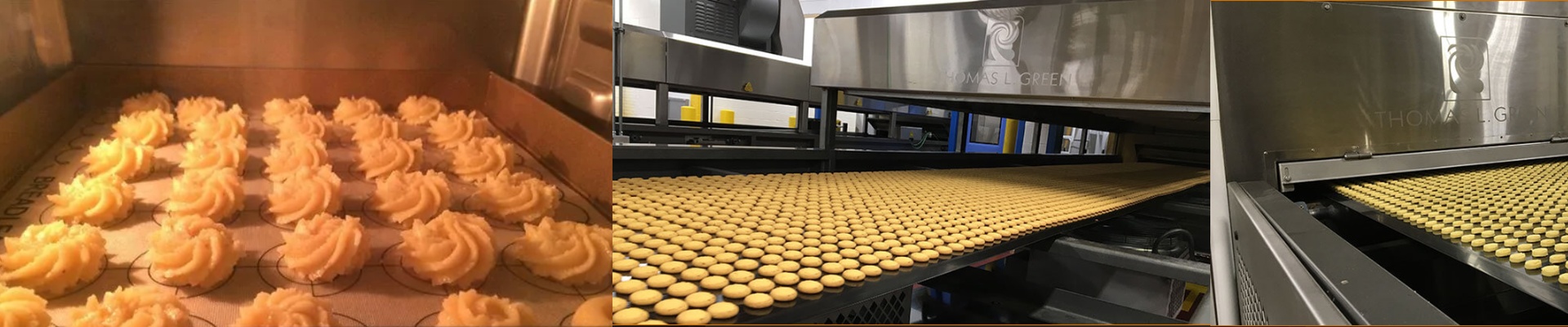
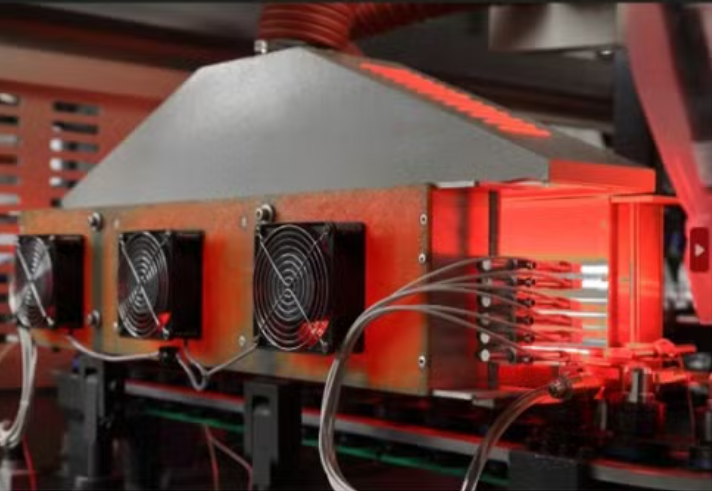
High-wattage lamps put out a massive amount of heat. That’s great for speed, but it puts a lot of pressure on your oven’s ventilation. If you’re cranking up the power to chase faster cycle speeds, keep an eye on your cooling blowers. If they can’t push the ambient heat out of the oven fast enough, the housing overheats and your lamps will burn out way sooner than they should. But when the power matches exactly, everything just breathes better. You get stable temperatures and a cooling system that isn’t screaming for mercy.