How We Stop Bathroom Mirrors From Fogging Up
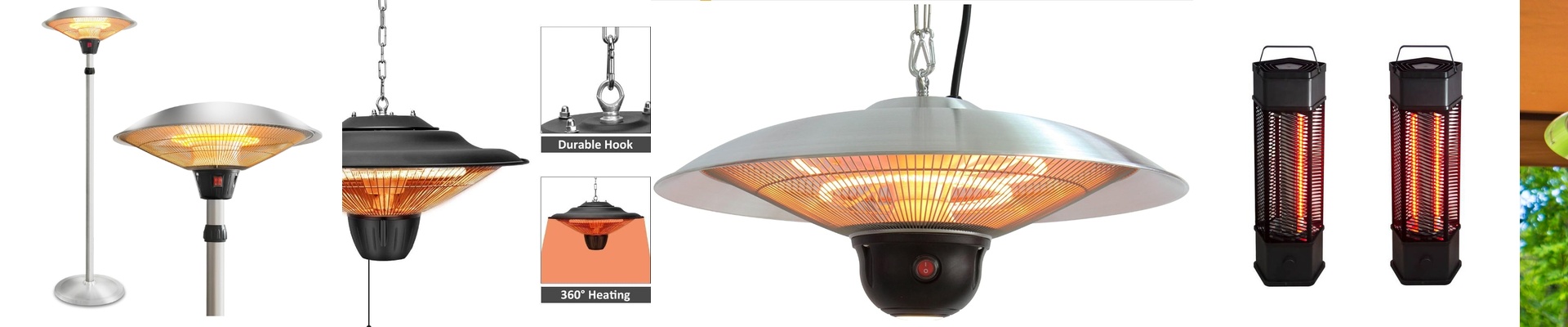
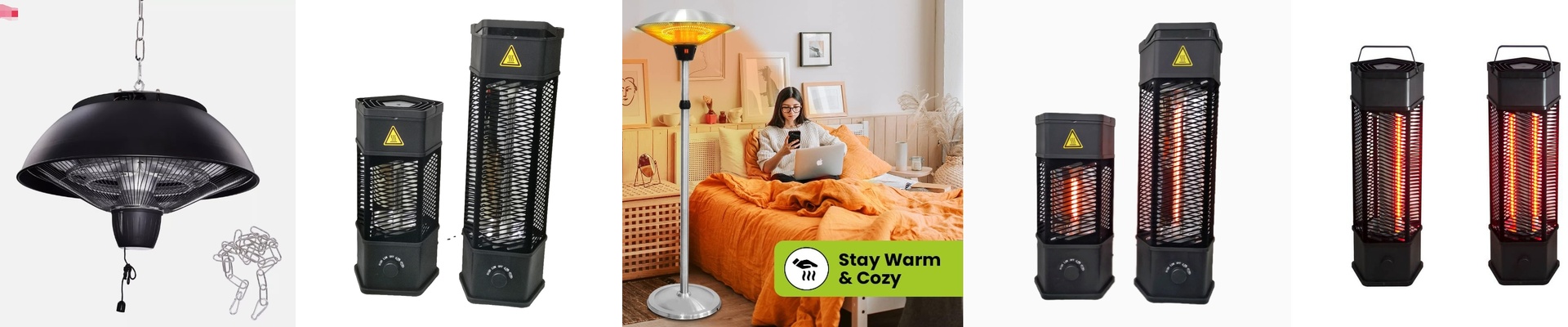
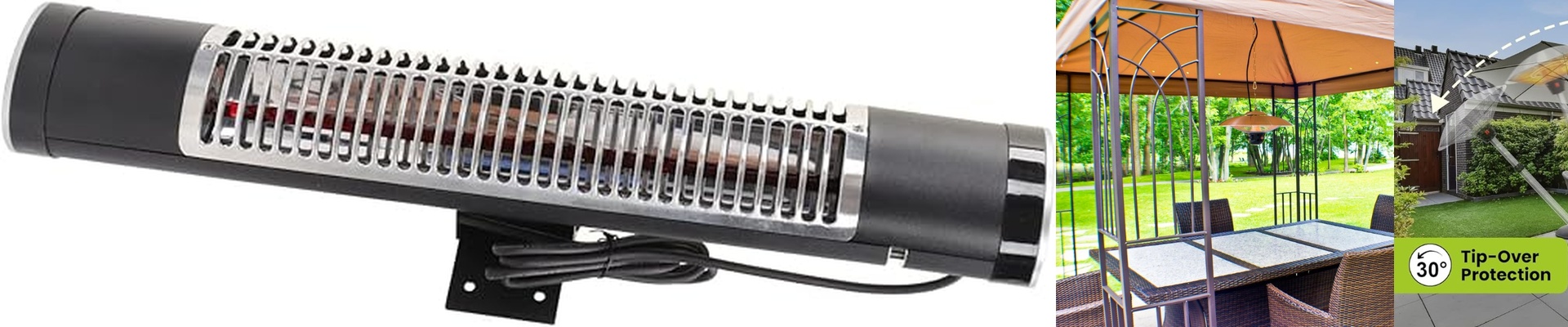
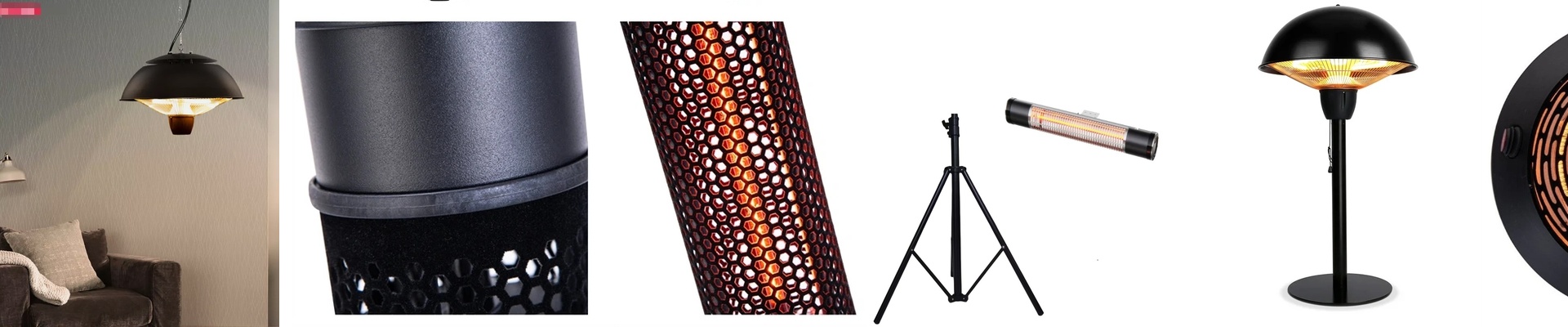
Ever step out of a hot shower and realize you can’t see a thing in the mirror? It’s annoying. Most people try to warm up the whole room, but that takes forever and usually just leaves you shivering in a damp room. We do things differently. Instead of trying to heat the air, we use shortwave infrared (IR) lamps. Think of it like the sun hitting your skin on a cold day—you feel the heat instantly, even if the air around you is freezing. These lamps hit the glass directly, clearing the fog in seconds. The secret is in the heat We use high-intensity quartz elements because they don’t mess around. They send out radiant energy that zips right through the air without warming it up, then stops dead when it hits the mirror. No more waiting for a heater to kick in while you’re trying to shave or do your makeup. One heads-up: because these things hit hard and fast, they pull a lot of power the second you flip the switch. Just make sure your wiring is up to the task so you don’t trip a breaker. The gear we use We stick with hard-quartz glass for the tubes. Why? Because these things go from room temperature to scorching hot in a heartbeat. Regular glass would just shatter from the shock. For the connectors, we use R7s snap-in bases. It makes it a breeze to swap them out if you ever need to do maintenance. We also add a special coating to the quartz. Without it, a lot of that heat just bounces off the mirror and goes to waste. The coating makes sure the mirror actually absorbs the energy. A few things to watch out for These heaters pack a massive punch in a tiny space, which is great—until you put them in the wrong spot. If you cram them too tightly behind the glass without any airflow, you’re asking for trouble. You could actually crack the mirror backing or melt your plastic mounts. We always leave a gap of at least 15mm between the tube and the reflective back. It keeps things safe and prevents those nasty hotspots from forming.